
Woods & Earth Notes
The stoic backbone of fragrance, grounding the flightier notes with the scent of ancient trunks, dry bark, and the damp, shadowed floor of the forest. Ranging from the creamy spirituality of sandalwood to the dry, pencil-shaving snap of cedar, these notes provide structure, longevity, and a timeless elegance.

Dark Patchouli
Aged and intense, smelling of wet earth, camphor, and dark cellars. It is the heavy, hippie-chic version of the leaf.

Dartanol®
A synthetic sandalwood note that is creamy, spicy, and very persistent. It creates a smooth, woody foundation.

Desert Sagebrush
Dry, dusty, and intensely herbal. It evokes the vast, arid landscapes of the American West.

Ditax wood
A rare wood from Senegal. It smells dry and slightly fruity.
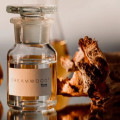
Dreamwood
A sustainable sandalwood alternative from biotechnology. It smells creamy, milky, and warm.
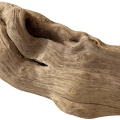
Driftwood
Sun-bleached wood soaked in sea salt. It smells dry, musky, and oceanic.
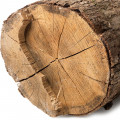
Dry Wood
A generic term for non-creamy woods like cedar or cypress. It creates a crisp, structured base.

Ducke
A tropical wood from the Amazon. It smells earthy and dense.
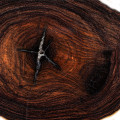
Ebony Tree
Dark, dense, and slightly spicy wood. It feels mysterious and solid.

Elm
A green, watery wood scent. It feels fibrous and natural.
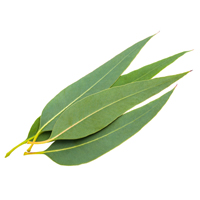
Eucalyptus
Cool, camphorous, and medicinal. It clears the head and smells like a spa steam room.
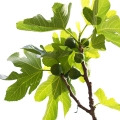
Fig tree
Woody and grey, with hints of the milky sap. A dry, summery wood scent.
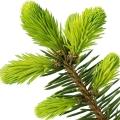
Fir
Balsamic and green. It smells like a winter forest or a Christmas wreath.

Grass Tree
Xanthorrhoea. It creates a resin that smells balsamic and woody.
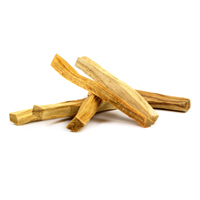
Guaiac Wood
An exotic wood that smells smoky, rubbery, and rose-like. It adds a luxurious depth often described as 'bacon-y'.

Hiba
A Japanese cypress. It smells intensely woody, cedar-like, and citrusy.

Himalayan Cedar
Cedarwood from the mountains. It smells drier and sweeter than Virginian cedar.
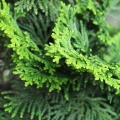
Hinoki Wood
Japanese Cypress. It smells lemony, woody, and sacred (used in temples and baths).

Ho Wood
High in linalool. It smells woody, floral, and fresh, often used as a rosewood substitute.
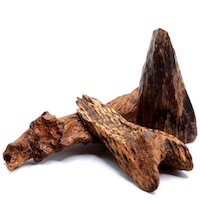
Agarwood (Oud)
The heavyweight champion of woods, smelling dark, complex, and occasionally barnyard-esque. It adds a profound, resinous depth that demands attention.
Akigalawood
A biotechnology marvel that smells like patchouli cleaned of its dirt. It is spicy, peppery, and woody, feeling very modern and polished.

Alder
A subtle wood note that is light and slightly sweet. It provides a background hum of nature without dominating the conversation.

Almond tree
Focuses on the wood and bark rather than the nut, smelling dry and slightly milky. It offers a solid, comforting base.

Amaranth
An earthy, grainy scent that smells slightly like dry hay or cereal. It adds a wholesome, rustic texture to a fragrance.

Amburana Bark
A Brazilian wood that smells wonderfully of vanilla, coumarin, and gingerbread. It adds a warm, spicy gourmand feel to woody scents.

Amburana Wood
Similar to the bark but woodier, maintaining that rich tonka-bean sweetness. It feels cozy and exotic, like a tropical cabinet maker's shop.
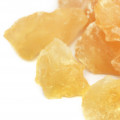
Amyris
Often called 'West Indian Sandalwood,' it is woody but slightly balsamic and oily. It’s a reliable workhorse wood that smells creamy and resinous.

Apple Tree
A woody note with hints of fruit and sap. It grounds the fruitiness with a solid, bark-like texture.

Araucaria
Also known as the Monkey Puzzle tree, its wood smells resinous and piney. It is a rare note that adds an ancient, coniferous feel.

Arbutus (Madrona, Bearberry Tree)
A woody note with a sweet, berry-like nuance from the fruit. It smells rustic and Mediterranean.

Argan Tree
The woody aspect of the Argan, smelling dry and sun-baked. It conjures images of Moroccan landscapes.

Aspen
A light wood scent that evokes crisp mountain air and trembling leaves. It feels clean and outdoorsy.

Australian Blue Cypress
A unique cypress oil that is blue in color and smells woody, smoky, and honeyed. It is complex and smoother than pine.

Australian Oud
Sourced from Australian botanicals, this oud is often cleaner and greener. It lacks the barnyard funk of traditional agarwood.
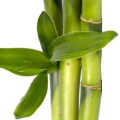
Bamboo
Clean, dry, and woody-green. It smells like a Zen garden, offering a structured freshness without being heavy.

Baobab
The majestic African tree, smelling dry, woody, and slightly fruity. It provides a unique, grand base note.
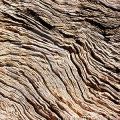
Bark
The rough, dry outer layer of a tree. It smells earthy and textured, less creamy than the heartwood.

Beech
A light, clean wood scent that is less resinous than pine. It smells like fresh carpentry and forests.
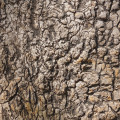
Belambra Tree
A synthetic wood note by Givaudan that smells dry, amber-like, and sophisticated. It adds modern radiance.
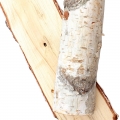
Birch
Smoky and tar-like, evoking the smell of a campfire or well-worn Russian leather. It’s rugged and uncompromising.

Black Hemlock or Tsuga
A conifer scent that is piney, woody, and slightly fruity. It evokes deep, dark forests.

Black Spruce
Resinous, piney, and fresh with a hint of camphor. It smells like Christmas trees and cold air.
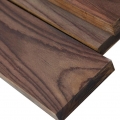
Blackwood
Also known as Mpingo, it is dense and dry. It provides a solemn, dark woodiness to the base.
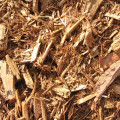
Blonde Woods
A term for soft, light woods like cashmere wood or cedar. They are smooth, creamy, and unobtrusive.
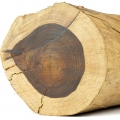
Brazilian Rosewood
Also known as Bois de Rose, it smells sweet, woody, and floral. It is elegant and highly endangered, so often synthetic now.

Buddha Wood
An Australian wood also known as False Sandalwood. It smells woody, smoky, and rose-like.

Buxus
Boxwood, smelling green, woody, and slightly urinous (like cat pee). It smells like a formal French garden.

Cabreuva
A South American wood that smells floral, woody, and spicy. It has a delicate, complex character.
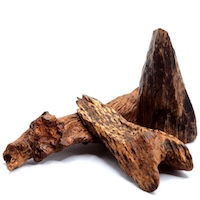
Cambodian Oud
A variety of oud known for being sweeter and fruitier than others. It can smell slightly like dried berries.
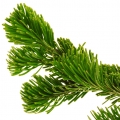
Canadian Balsam
Balsam Fir resin, smelling piney and sweet. It is the scent of deep northern forests.

Carob Tree
Woody and slightly chocolate-like. It adds a dry, sweet earthy nuance.

Cascarilla
A bark that smells spicy, woody, and peppery. It adds a dry heat to compositions.

Cashmir wood
A fantasy wood accord that is soft, smooth, and musky. It isn't a real tree.
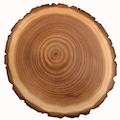
Cedar
The smell of fresh pencil shavings or a dry sauna. It provides a sturdy, clean woody backbone that grounds flightier notes.

Chalood Bark
A Thai bark used in perfumes. It smells woody, sweet, and spicy.

Charred Wood
Burnt timber. Smoky, carbonized, and dark.

Cherry Tree
Woody and slightly fruity. It provides a solid base for blossom scents.

Chinese Oud
Agarwood from China, often medicinal and spicy. It can be sharper than other ouds.

Chypre Notes
The classic accord of bergamot, labdanum, and oakmoss. It smells elegant, mossy, and abstract.
Clearwood
A transparent patchouli note created by fermentation. It smells woody and clean without the dirt.

Cocobolo
A Central American hardwood with a floral, rose-like scent. Rich and spicy.

Coconut Tree
The woody trunk scent. Dry, fibrous, and slightly salty.

Coffee Tree
The wood of the plant. Mildly woody with no roasted notes.

Cork
Dry, woody, and light. Smells like a wine stopper or bark.

Cottonwood (Poplar)
Sweet, balsamic, and woody. The buds smell like honey and resin.
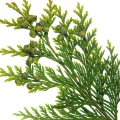
Cypress
Dry, green, and coniferous, evoking the rolling hills of Tuscany. It has a resinous freshness that feels stately and timeless.
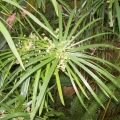
Cypriol Oil or Nagarmotha
An Indian marsh plant root that smells woody, earthy, and smoked. It is often used as a substitute or companion to Oud.

Incienso
A desert shrub (Encelia) that smells resinous and pine-like. It is pungent and aromatic.
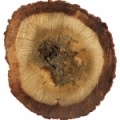
Indian Oud
The wildest of ouds, often smelling barnyard-like, leathery, and deeply animalic. It is intense and not for the shy.

Indian Sandalwood
Santalum Album. The creamy, milky king of woods that smells impossibly smooth and buttery.

Indian Woods
A generic woody accord inspired by the subcontinent. Usually creamy and spicy.

Ironwood
An incredibly hard wood with a metallic, dry scent. It feels dense and impenetrable.

Ishpink, Ocotea Quixos
Amazonian cinnamon. It smells spicy and floral, distinct from common cinnamon.

Kenya Rosewood
A wood smelling faintly floral and dry.

Kowhai
New Zealand's national flower. It smells earthy and nectar-like.

Kyara wood
The highest grade of Oud. It smells complex, spiritual, honeyed, and absolutely priceless.
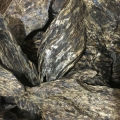
Laotian Oud
Known for being drier and sharper than other ouds. It smells intensely woody and incense-like.

Larch
A conifer scent. Resinous, turpentine-like, and fresh.
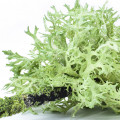
Lichen
Dry, crusty, and mineral-smelling. Similar to moss but drier.

Liquidambar
Sweetgum. It produces a balsamic resin (Styrax) that smells sweet and spicy.
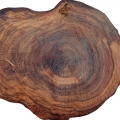
Mahogany
A dark, reddish wood scent. Smells dry and polished.

Malaysian Oud
Often sweeter and spicier than Indian oud. Can have cola nuances.

Mango Tree
Woody and green.

Manuka
New Zealand Tea Tree. Honeyed, earthy, and aromatic.
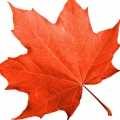
Maple
Woody and sweet. It hints at the syrup but retains a bark-like dryness.

Massoia
A bark smelling of coconut, dried milk, and wood. Extremely lactonic.

Mesquite
Smoky, BBQ-like wood. Intense and savory.

Mesquite Wood
The wood itself. Earthy and dry.

Muhuhu
African Sandalwood. Dry, woody, and slightly balsamic.

Mulberry plant
Green and woody.
Mysore Sandalwood
The gold standard. Milky, buttery, and incredibly smooth. Sadly endangered.

Neem
Bitter, garlicky, and nutty. Usually medicinal.

Nootka
Nootka Cypress. Smells cedar-like and grapefruit-y.
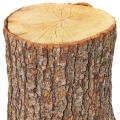
Oak
The wood itself. Smells of barrels, tannins, and dry vanilla.
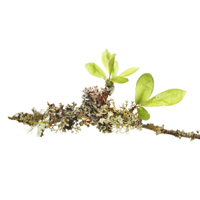
Oakmoss
The smell of damp forests, ink, and earth. It is the sensual soul of the Chypre family.
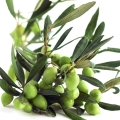
Olive Tree
Woody and oily. Ancient and gnarled.
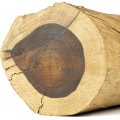
Palisander Rosewood
A high-quality wood smelling floral, spicy, and woody.
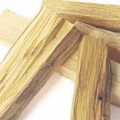
Palo Santo
Holy Wood. It smells creamy, lemony, and smoky, used for cleansing energy.

Palo Verde Tree
A desert tree. Smells green and woody.

Pamplewood
A synthetic note blending grapefruit (pamplemousse) and wood. Bitter and fresh.

Paperbark
Melaleuca. Smells swampy, medicinal, and woody.
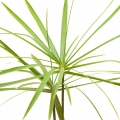
Papyrus
Dry, smoky, and woody. It smells of ancient scrolls and river reeds.

Paraguayan Green Sandalwood
Guaiac wood. Smoky and woody.

Patchouli
The scent of earth, damp wood, and dark chocolate. It can be hippie-dirty or Chanel-chic.

Patchouli (Green)
Fresh, leafy patchouli without the fermentation. Cleaner and lighter.

Peach Tree
Woody and slightly sappy.

Pear Tree
Woody and fruit-bearing.
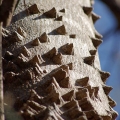
Pepperwood or Hercules Club
A spicy, aromatic wood scent.
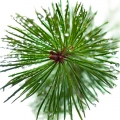
Pine Tree
Fresh, resinous, and clean. The smell of a northern forest.

Pink Ipê Tree
Handroanthus. A floral wood scent.

Plum Tree
Woody and fruity.

Pua Keni Keni (Pua-Lulu)
Hawaiian flower. Smells rich, creamy, and tuberose-like.

Ravenala
Traveler's Palm. Green and woody.

Ravensara
Aromatic oil from Madagascar. Smells camphorous, spicy, and clove-like.

Red Willow
Bark scent. Woody and bitter.

Redwood
Sequoia. Damp, spicy, and gigantic wood scent.

Rhizoma Atractylodis
Chinese root. Pungent and earthy.

Saman
Rain Tree. Sweet and woody.

Sandalore™
A synthetic sandalwood. Powerful and slightly floral.
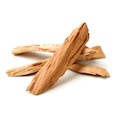
Sandalwood
Creamy, milky, and warm wood. It feels spiritual and calming.

Sassafras
The root bark. Spicy and root-beer-like.

Satinwood
Woody and smooth.

Sawdust
Freshly cut wood. Dry and powdery.

Scots pine variant
Pine needles. Fresh and balsamic.

Selaginella tamariscina
Spikemoss. Earthy and dry.

Sequoia
Giant Redwood. Spicy, earthy, and damp wood.
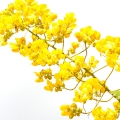
Siam
Thai wood. Resinous and warm.

Siam Wood
Fokienia. Smells like creamy cedar and rose.
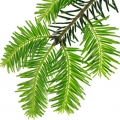
Spruce
Resinous conifer. Christmas tree scent.
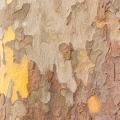
Sycamore
Woody and leafy.

Takamaka
Resinous tropical wood.

Tamboti Wood
African Sandalwood. Creamy and spicy.

Tatami
Straw mats. Dry, grassy, and calming.
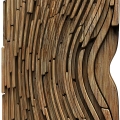
Teak Wood
Polished wood. Leather-like and sturdy.
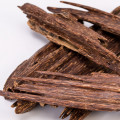
Thailand Oud
Often sweeter and softer oud.

Thanaka Wood
Burmese cosmetic wood. Sandalwood-like.
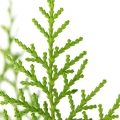
Thuja
Arborvitae. Cedar-like and fruity.
Transparent Woods
Iso E Super type woods. Sheer and clean.
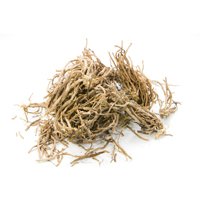
Vetiver
A complex grass root. Smells earthy, smoky, green, and like grapefruit.
Vietnamese Oud
Sweet and spicy oud.
White Oud
A gentler, cleaner oud accord.

White Willow
Woody and slightly bitter.
Wolfwood
A Firmenich synthetic. Woody and leathery.

Wood barrel
Oak cask. Alcohol soaked wood.
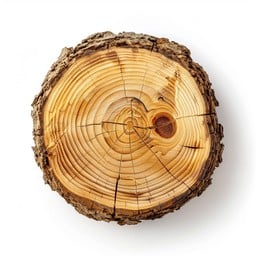
Woody Notes
A general base note. Dry, warm, and structured.

Yohimbe
African bark. Woody and medicinal.