
Resins And Balsams Notes
The ancient tears of trees, these materials have been burned in rituals for millennia and bring a sacred, meditative smoke to perfumery. They are thick, sticky, and profoundly complex, offering a sweet, leathery darkness that feels like a protective cloak against the cold.
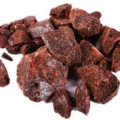
Dragon Blood Resin
A bright red resin that smells sweet, spicy, and slightly woody. It is lighter and cleaner than frankincense.
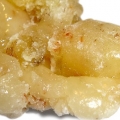
Elemi
A resin that smells surprisingly like lemon, pine, and pepper. It is bright and balsamic.

Estoraque
Liquidambar. It smells balsamic, cinnamic, and styrax-like.

Gurjun Balsam
A resin smelling woody, peppery, and dry. Often used to adulterate patchouli, but lovely on its own.
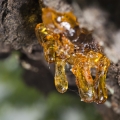
Amberwood
A sturdy blend of amber warmth and dry cedar-like woodiness. It acts as a strong pillar holding up the rest of the scent structure.

Andiroba
An oil from the Amazon that smells woody, nutty, and slightly bitter. It adds a wild, unpolished texture to a fragrance.

Bakhoor
Wood chips soaked in perfume oil and burned, creating a smoky, fragrant cloud. It smells traditional, Middle Eastern, and welcoming.
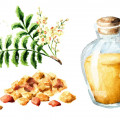
Balsamic Notes
A group of resinous materials like benzoin and myrrh that smell warm, sweet, and thick. They wrap a fragrance in a cozy amber blanket.
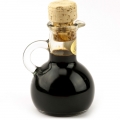
Balsamic Vinegar
Acidic, fruity, and aged, with a dark sweetness. It adds a sharp, gourmet counterpoint to sweet notes like strawberry.
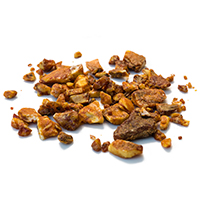
Benzoin
A comforting balsamic resin that smells of vanilla and cinnamon. It gives fragrances a cozy, almost edible warmth without being overly sugary.
Birch Tar
The concentrated essence of smoke and leather derived from birch. It is intensely phenolic, smelling like a bonfire.

Bisabolene
A terpene that smells balsamic, woody, and slightly citrusy. It is often found in myrrh and opoponax.

Blue Amber
A variant of amber found in the Dominican Republic. In perfume, it usually means an amber accord with aromatic or marine touches.

Bois d'Encens
Incense wood. It smells peppery, resinous, and spiritual, inspired by church incense.

Breu-Branco
An Amazonian resin smelling of wood, spice, and eucalyptus. It is fresh yet balsamic.

Bushman Candle
A desert plant with a waxy bark that burns brightly. It smells resinous, incense-like, and sweet.
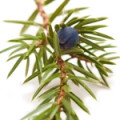
Cade oil
Oil from prickly juniper, smelling intensely smoky and tarry. It creates the campfire effect.

Choya Loban
Frankincense destructively distilled. It smells intensely smoky and resinous.

Choya Nakh
Roasted seashells. It smells smoky, mineral, and oceanic.

Choya Ral
Roasted Sal tree resin. It smells leathery, smoky, and woody.

Coal Tar
Pungent, medicinal, and asphalt-like. It smells like fresh pavement.
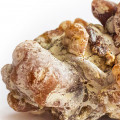
Copahu Balm
Copaiba balsam. It smells woody, spicy, and mild.
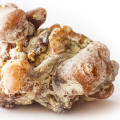
Copaiba Balm
A Brazilian resin that is sweet, woody, and slightly peppery. It acts as a fixative.

Copal
A resin used in incense in Mexico. It smells bright, lemony, and piney.
Incense
Smoke, resin, and ritual. It captures the cold, spiritual air of a cathedral or a temple.

Japanese Incense
Clean, low-smoke incense usually based on sandalwood and aloeswood. It is meditative and dry.
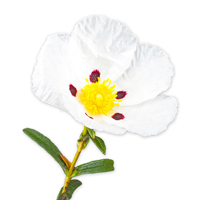
Labdanum
The cornerstone of amber accords. It smells leathery, sweet, dirty, and warm all at once.
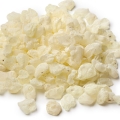
Mastic or Lentisque
A resin from the Mediterranean. Smells distinctively green, piney, and crisp.

Mopane
African Balsam. Smells turpentine-like and woody.

Myrica
Bayberry. Smells spicy, waxy, and balsamic.
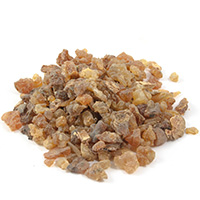
Myrrh
A resin that smells of mushrooms, licorice, and earth. It is darker and stranger than frankincense.

Nag Champa
Incense sticks. Sandalwood and Frangipani. Sweet and hippie.

Olibanum (Frankincense)
Lemony, piney, and cold. It smells of high church mass and ancient rituals.

Olibanum Sacra Resin Green
High-grade green frankincense. Smells brighter and more citrusy.
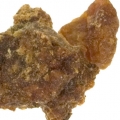
Opoponax
Sweet Myrrh. Smells like toffee, balsam, and mushrooms.
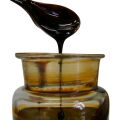
Peru Balsam
Rich, sweet, and vanilla-like resin. It acts as a fixative and smooths everything out.

Pine Tar
Smoky, leathery, and dark. Smells of campfires and ships.
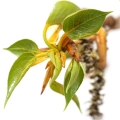
Poplar (Populus) Buds
Sticky buds smelling of balsam, honey, and propolis.
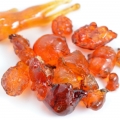
Resins
Hardened tree sap. Amber, sticky, and warm.

Rubber
Burnt tires or latex. Industrial and dark.
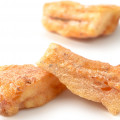
Styrax
Sweet, spicy, and leather-like resin. Smells of plastic and balsam.

Surf Wax
Coconut and paraffin. Beachy.

Tea Tree Oil
Medicinal and antiseptic. Sharp and clean.