
Citrus Notes
The sunshine of the fragrance world, these volatile oils provide the sparkling opening act that greets you the moment the mist hits the air. While they are fleeting by nature, their zesty, sour-sweet optimism is essential for lifting the heavier materials and preventing a perfume from feeling like a lead weight.
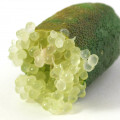
Finger Lime
Caviar lime. It smells incredibly sharp, zesty, and exploding with sourness.
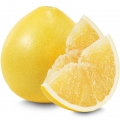
Grapefruit
Bitter, zesty, and slightly sulfurous. It is uplifting and distinctly modern.
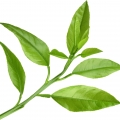
Grapefruit Leaf
Green and petitgrain-like. It adds a leafy bitterness.

Grapefruit Peel
The oil from the rind. It contains the sulfurous, sparkly character of the fruit.

Green Tangerine
Unripe tangerine. It smells more zesty and bitter than the ripe fruit.

Hassaku
A Japanese citrus hybrid. Smells like sour orange and grapefruit.

Hatkora Lemon
A citrus used in Bengal. The thick rind smells incredibly oily and zest-heavy.
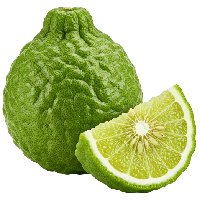
Bergamot
The finest of citruses, famous for giving Earl Grey tea its distinct aroma. It’s bitter, tart, and floral all at once—the perfect opening act.
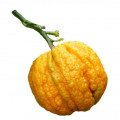
Bigarade
Another name for Bitter Orange. It is sharp, zesty, and less sweet than regular orange, adding a sophisticated tartness.
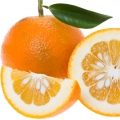
Bitter Orange
Zesty and sharp, lacking the sugar of sweet oranges. It provides a refreshing, adult citrus note.
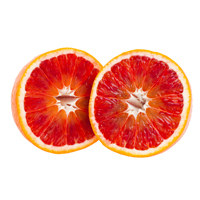
Blood Orange
Juicier, sweeter, and redder than standard orange, with raspberry nuances. It feels lush and Mediterranean.

Buddha's hand
A strange citrus fruit smelling of lemon zest and flowers without the juice. It is dry and aromatic.
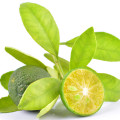
Calamansi
A Philippine lime that is tart, tangerine-like, and floral. It is a complex and exotic citrus.

Candied Lemon
Lemon peel boiled in syrup. It is sweet and tart, without the sharp bitterness of fresh rind.

Chen Pi
Sun-dried tangerine peel. It smells citrusy but aged and slightly medicinal.
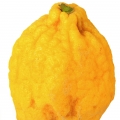
Citron
A large, ancient citrus fruit. It smells dry, zesty, and less sweet than lemon.
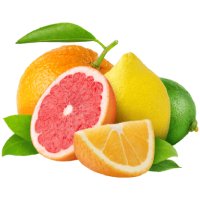
Citruses
A general category for Hesperidic notes (lemon, orange, etc.). They are volatile, fresh, and uplifting.

Citrus Japonica
Kumquat. It smells tart and sweet.

Citrus Water
Diluted citrus scent. It smells faint, clean, and splashy.
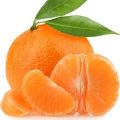
Clementine
Sweet, juicy, and seedless citrus. It smells happier and less acidic than orange.
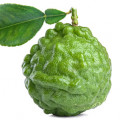
Kaffir Lime
Makrut lime. The leaves smell intensely sharp, green, and uniquely Thai cuisine-like.
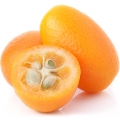
Kumquat
Sour orange. It smells sharper and more bitter than a sweet orange.
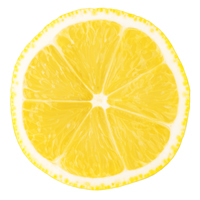
Lemon
Bright, acidic, and sunny. It can smell like fresh zest or cleaning fluid depending on the quality.

Lemon Balm
Melissa. It smells like lemon mixed with mint and herbs.
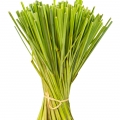
Lemongrass
Citronella-like and grassy. It smells sharp, herbal, and Thai.

Lemon Myrtle
An Australian leaf that smells 'more lemon than lemon.' Clean and sweet.
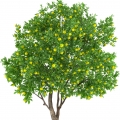
Lemon Tree
Woody and leafy notes of the tree, plus the fruit. A full orchard smell.
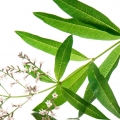
Lemon Verbena
Verveine. Herbal, fresh, and distinctly lemony without the acid.
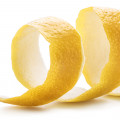
Lemon Zest
The oil from the peel. Bitter, shiny, and photorealistic.
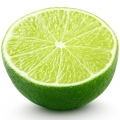
Lime
Sharper, drier, and more tropical than lemon. It has a distinct 'cola' nuance.

Limetta
Sweet Lime. Less acidic than regular lime, more floral.
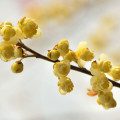
Litsea Cubeba
May Chang. An shrub that smells intensely like lemon sherbet sweets.
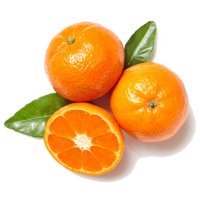
Mandarin Orange
Sweeter and less acidic than orange. It smells candy-like and joyous.
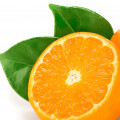
Mandora
A cross between mandarin and orange. Juicy and sweet.
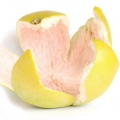
Methyl Pamplemousse
A synthetic grapefruit. Bitter, fresh, and slightly floral.
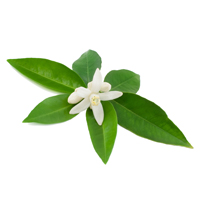
Neroli
Steam-distilled orange blossom. It smells green, soapy, bitter, and exquisitely fresh.

Palestinian Sweet Lime
Limetta. A mild, non-acidic citrus scent.

Perfume lemon
A specific aromatic lemon variety. Intense zest.
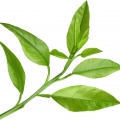
Petitgrain
Distilled twigs of the bitter orange tree. Green, woody, and sharp—a cologne staple.

Pokan
Taiwanese mandarin. Sweet and loose-skinned.
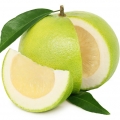
Pomelo
A giant grapefruit. Mild, thick-rinded, and sweet-tart.

Quenepa
Spanish Lime. Sour and jelly-like fruit.

Rangpur
A lemon-mandarin hybrid. Very acidic and floral.

Red Mandarin
The sweetest mandarin oil. Floral and candy-like.

Rind Bergamot
The zest. Bitter and aromatic.

Shiikuwasha
Okinawa Lime. Sour and tangerine-like.

Sudachi citrus
Japanese citrus. Sour and spicy like lime.

Tangelo
Tangerine-Grapefruit hybrid. Sweet and tart.
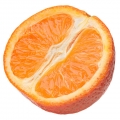
Tangerine
Easy, sweet citrus. Less complex than mandarin.

Tangerine Zest
Oily orange peel scent.
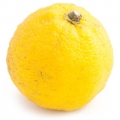
Yuzu
Japanese grapefruit. A complex mix of lime, mandarin, and pine. Bitter and aromatic.