
Spices Notes
These ingredients bring the heat and the vibration, adding a three-dimensional hum to a composition that tickles the nose and wakes up the palate. From the cooling, camphorous touch of cardamom to the fiery crackle of black pepper, spices prevent a fragrance from ever feeling flat or boring.

Dill
Aromatic, green, and savory—yes, it smells like pickles. It adds a surprising culinary freshness.
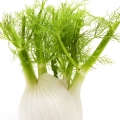
Fennel
Sweet, green anise flavor. It adds a cool, herbal licorice note.
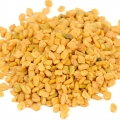
Fenugreek
Maple syrup and curry powder. It is spicy, sweet, and savory all at once.
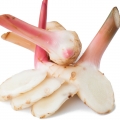
Galanga
Galangal (Thai Ginger). Smells like ginger but more citrusy, piney, and medicinal.

Ginger
Fresh, spicy, and lemony. It adds a fizzy, energetic heat to the top notes.

Green Coffee
Unroasted beans. They smell vegetal, pea-like, and grassy.

Guinea Pepper
Grains of Paradise. Peppery, citrusy, and woody.
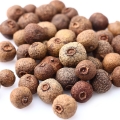
Allspice
A warm spice rack in a single note, smelling of clove, cinnamon, and nutmeg combined. It feels festive and warming, perfect for winter.
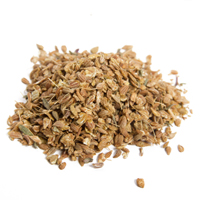
Anise
Sweet, spicy, and licorice-like. It adds a polarizing aromatic sweetness that cuts through warmer notes with a cool edge.
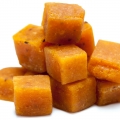
Asafoetida
Pungent and sulfurous when raw, but savory like onions when cooked. In perfume, it adds a weird, compelling earthy spice.
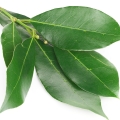
Bay Leaf
Dry, herbal, and aromatic, often used in cooking. In perfume, it adds a savory, leafy crispness.

Bengal Pepper
Also known as Long Pepper, it is hotter and sweeter than black pepper. It has a complex, spicy-sweet aroma.

Biryani
A complex mix of savory spices including saffron, cardamom, and rice. It is a gourmand scent, but savory and dinner-like.
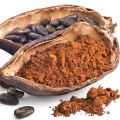
Cacao Pod
The raw bean smell—bitter, dusty, and earthy. It is chocolate before the sugar is added.
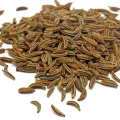
Caraway
Spicy, anise-like seeds often found in rye bread. It adds a savory, sharp aromatic quality.
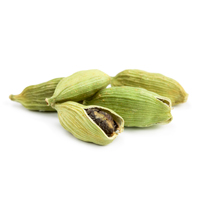
Cardamom
A duality of cool camphor and warm spice. It’s sophisticated and aromatic, often making a fragrance feel effortlessly expensive.

Carolina Reaper
The hottest chili pepper. In perfume, it adds an aggressive, tingling heat.

Carum
Another name for Caraway. Spicy, anise-like, and sharp.
Cassia
Chinese cinnamon. It smells hotter, sharper, and woodier than true cinnamon.

Chutney
Spiced fruit relish. It smells savory, sweet, and vinegary.
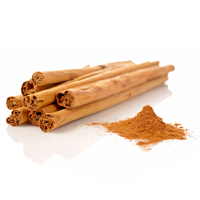
Cinnamon
Warm, spicy, and woody. It evokes baking, holidays, and heat.

Cinnamon Leaf
Smells like clove and cinnamon combined. It is harsher and greener than the bark.

Clove Leaf
Smells like cloves but woodier and greener. It is drier than the bud.
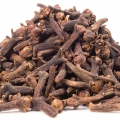
Cloves
Intense, hot, and numbing spice. It contains high levels of Eugenol and smells medicinal and warm.
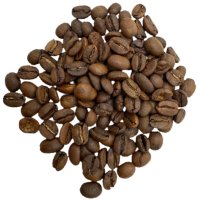
Coffee
Dark, roasted, and energizing, bringing a bitter gourmand edge. It grounds sweetness and adds a restless, urban energy to a scent.

Coffee CO2
A photorealistic roasted coffee bean extract. It smells exactly like an espresso bar.

Coffee Tincture
Alcohol infusion of coffee. Smells lighter and boozier than the absolute.
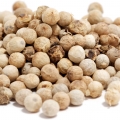
Coriander
The seed, not the leaf. It smells woody, spicy, citrusy, and warm.

Cubeb or Tailed Pepper
A pepper variety with a camphorous, allspice-like scent. Cooler than black pepper.
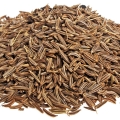
Cumin
Spicy, warm, and unapologetically human, bordering on the smell of sweat. It adds a carnal, savory heat that makes a fragrance feel alive.

Curcuma (Turmeric)
Earthy, dusty, and slightly ginger-like. It adds a dry yellow spice note.

Curry
A blend of spices (cumin, fenugreek). It smells savory and warm.

Curry Tree
The leaves used in Indian cooking. They smell citrusy, herbal, and distinct.

Indian Spices
A masala blend of cumin, coriander, and cardamom. Warm, savory, and vibrating with heat.

Japanese Pepper
Sansho pepper. It smells intensely lemony and creates a numbing effect.

Kaempferia Galanga
Aromatic ginger. It smells spicy but also dusty and camphorous.

Kopi Luwak Coffee
Civet coffee. It smells roasted but with a distinctive animalic, musky undertone.
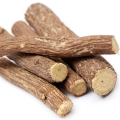
Licorice
Sweet, black, and anise-like. It adds a dark, polarizing gourmand twist.
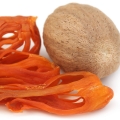
Mace
The outer covering of nutmeg. Smells similar but sweeter and softer.

Mustard Seed
Pungent and sharp. Adds a biting heat.
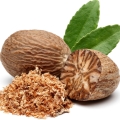
Nutmeg
Dry, spicy, and woody. It adds a warm, dusty heat.
Oily Notes
Fatty, slick, and heavy. Used to mimic mechanics or food.
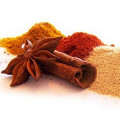
Oriental Notes
A genre of resins, spices, and vanilla. Warm, sensual, and heavy.
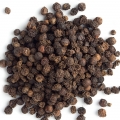
Pepper
Black pepper. Sharp, hot, and sneezing-dry. It adds a masculine vibration.

Peppertree
Schinus molle. Resinous, woody, and peppery.
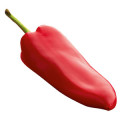
Pimento
Allspice berry. Clove, cinnamon, and nutmeg rolled into one.

Pimento Leaf
Greener and sharper than the berry. Very spicy.
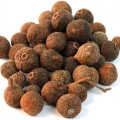
Pimento Seeds
Peppery and dry.
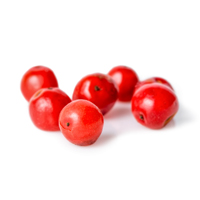
Pink Pepper
Not a true pepper, but a berry. It smells rosy, sparkling, and like gin.

Priprioca
A Brazilian root. Smells woody, spicy, and grassy.
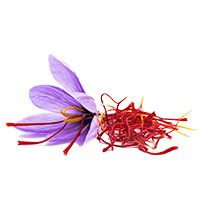
Saffron
Red gold. It smells leathery, metallic, and medicinal. The most expensive spice in the world.

Safraleine
A Givaudan molecule. Smells of saffron, tobacco, and leather.
Sesame
Toasted seeds. Nutty, oily, and savory.

Siam Cardamom
Amomum. Camphorous and spicy.
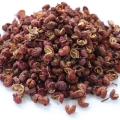
Sichuan Pepper
Citrusy and tingling. Unlike black pepper, it smells of lemon and metal.
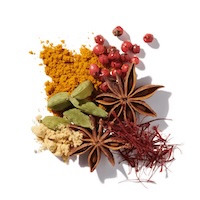
Spicy Notes
General warmth. Cinnamon, clove, pepper mix.

Spiked Pepper
Piper aduncum. Spicy and woody.
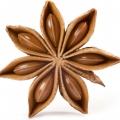
Star Anise
Licorice spice. Sweet, medicinal, and herbal.

Sumac
Sour red spice. Lemon-like and earthy.
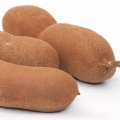
Tamarind
Sour fruit. Acidic and fruity.
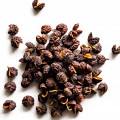
Timur
Nepalese pepper. Smells of grapefruit and passionfruit.
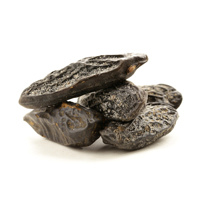
Tonka Bean
The scent of coumarin—vanilla, almond, hay, and tobacco rolled into one.

Toscanol
Aromatic chemical. Anise and herbal.
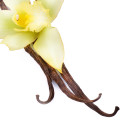
Ultravanil™
High-impact vanilla synthetic. Non-edible vanilla.

Vanilla
The real bean is woody, boozy, and spicy. Not just simple sugar.

Wan Sao Lhong
Thai herb. Spicy and aromatic.

Wasabi
Horseradish-like heat. Pungent and green.

Water Pepper
Smartweed. Sharp and peppery.
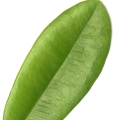
West Indian Bay
Pimenta racemosa. Clove-like and spicy (Bay Rum).