
The Olfactory Library
Welcome to the building blocks of the invisible art. If a perfume is a symphony, then these are the individual notes on the sheet music—the singular elements that the perfumer arranges to create a melody that lingers on your skin.
Whether you are here to understand why you adore Vetiver but detest Patchouli, or simply to find out what "Iso E Super" actually is, this library is your guide.
Categories
Florals
The undisputed heart of perfumery, ranging from the innocent whisper of a spring muguet to the narcotic, carnal shout of a tuberose. These notes provide the romance and the texture, proving that flowers are far too complex to be considered merely 'pretty'.

Acerola Blossom
A light, airy floral note with subtle fruity undertones. It bridges the gap between the tart fruit and a soft, petal-like texture.
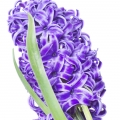
Hyacinth
A powerhouse spring flower. It smells oily, green, spicy, and intensely floral.

Alumroot
Also known as Coral Bells, it has an earthy, green floral quality. It smells like a shady garden border.
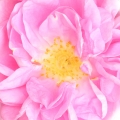
Taif Rose
A rich, tea-like rose from Saudi Arabia. Spicy and deep.

Abelia
A delicate and honeyed floral note that feels like a summer garden party. It has a soft, white-flower sweetness without being terribly shouting about it.

Alyssum
A honey-sweet flower scent that can be quite powerful. It smells like warm summer air filled with nectar.

Desert Rose
Not a true rose, but an Adenium. It has a faint, watery floral scent that feels resilient and clean.

Delonix
The Flame Tree, offering a subtle tropical floral note. It smells vaguely of orchids and ferns.
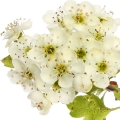
Hawthorn
A divisive blossom that can smell sweet and almondy, or distinctly organic and decaying.

Hazel Blossom
The catkins of the hazel tree. Mild, dusty, and pollen-heavy.
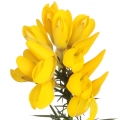
Gorse
A yellow shrub that famously smells of coconut and warm skin. It is the scent of British coastlines.

Hemlock
Not the poison (usually), but the conifer. It smells green, piney, and woody.

Gladiolus
A faint floral scent. Usually just freshness and green stems.
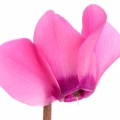
Cyclamen
A clean, mysterious floral scent. It smells fresh, slightly soapy, and cool.

Chocolate Flower
Berlandiera lyrata, a flower that actually smells like cocoa. Nature's gourmand.

Jarana Flower
A citrusy floral scent from South America.
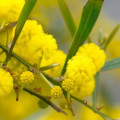
Acacia
Powdery and sweet with a rich, pollen-heavy warmth. It reminds one of golden sunlight filtering through a dusty afternoon.

Honeybush or Cyclopia
A South African plant similar to Rooibos. Smells of honey and dried fruit.
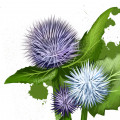
Costus
A root that smells like wet dog, hair, and violet. It is an old-school animalic fixative.

Laurel Blossom
The flower of the bay tree. It smells floral with a spicy herbal edge.
View All Florals NotesFruits, Nuts & Savoury Notes
This is the scent of the orchard and the vegetable patch rather than the patisserie, capturing the crisp snap of an apple or the earthy grit of a carrot. These notes add a mouth-watering texture and vitality, bringing a sense of abundance and natural realism that prevents a fragrance from feeling too abstract.

Bearberry
A small red berry found in cold climates, smelling tart and dry. It adds a crisp, wild fruitiness.
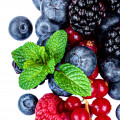
Forest Fruits
Mixed berries—blackberry, raspberry, blueberry. Juicy and dark.

Daikon Radish
Peppery, crisp, and watery. It adds a sharp, earthy crunch that feels decidedly modern and savory.
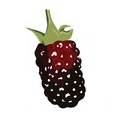
Boysenberry
A cross between a raspberry and blackberry. It smells juicy, jammy, and deep purple.
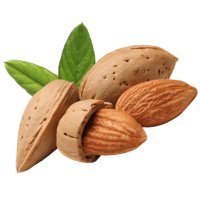
Almond
Bittersweet and creamy, sometimes leaning towards marzipan or cherry. It adds a comforting, nutty gourmand facet to perfumes.

Black Sapote
Also called the 'chocolate pudding fruit,' it smells creamy, sweet, and mild. It adds an exotic custard texture.

Fruit Salad
A mix of generic fruity notes. Sweet, watery, and indistinguishable.
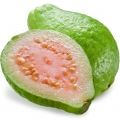
Guava
Pungent tropical fruit. It smells musky, sweet, and faintly of cat pee (in a characteristic way).
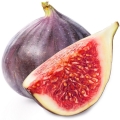
Fig
Milky, green, and sweet. It evokes the shade of a tree in the Mediterranean sun.
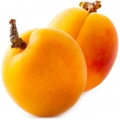
Apricot
Fuzzy, sweet, and soft-skinned, differing from peach by being slightly more tart. It has a velvety texture that blends beautifully with osmanthus.
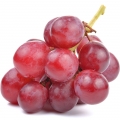
Grapes
Sweet and juicy. Can smell like artificial purple candy or realistic fruit.
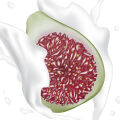
Fig Milk
The white sap of the tree. It smells creamy, woody, and slightly bitter.
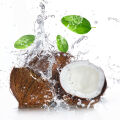
Coconut Water
Fresh, transparent, and lightly sweet. It adds a quenching hydration.
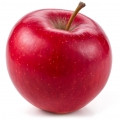
Apple Juice
Sweet, golden, and concentrated, lacking the tart skin of the fresh fruit. It adds a sugary, nostalgic fruitiness.

Durian
The King of Fruits. Creamy and sweet to some, rotting onions and gym socks to others. Proceed with caution.

Hog Plum
Spondias mombin. A tropical fruit smelling tart and musky.

Conifer
A general term for pine/fir/spruce. Smells resinous, green, and sharp.

Corn Silk
The threads on corn cobs. Smells green, dry, and sweet.
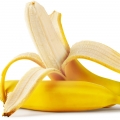
Banana
Creamy, sweet, and tropical. Depending on the use, it can smell like artificial candy or a lush, green jungle plant.

Ashberry
The fruit of the Rowan tree, smelling tart, bitter, and wild. It adds a sharp, foraging vibe to fruity notes.
View All Fruits, Nuts & Savoury Notes NotesMusk, Amber, Animalic Smells
These are the sensual heavyweights that linger on the skin long after the citrus has fled, providing warmth, depth, and a certain human intimacy. From the cozy, golden glow of amber to the primitive, purring growl of civet, these notes transform a simple scent into a living, breathing entity.

Civettone
A synthetic musk that replicates the warmth of civet without the cruelty or fecal edge. It is velvety and smooth.
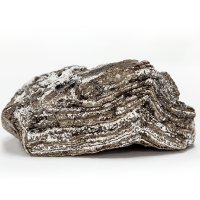
Ambergris
The gold standard of fixatives, smelling of salty skin and warm ocean air. It possesses a magical ability to make a fragrance shimmer and last forever.

Muskrat
An animalic musk. Similar to civet but soapier.

Caviar
Salty, fishy, and savory. It adds a luxury marine aspect, famously used in Mugler's Womanity.

Exaltolide®
A refined, elegant musk. It adds a subtle animalic radiance and polish.

Ambrostar
A modern captive molecule that offers a dry, vibrant woody-amber effect. It helps a fragrance lift off the skin and sparkle.

Oysters
Salt water and minerals. A raw marine scent.
Daim
The French term for suede; it smells softer and more velvety than full leather. It evokes the inside of a luxury handbag.
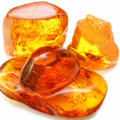
Ambrettolide
A vegan musk molecule with fruity, floral undertones. It brings a soft, soapy cleanliness and exceptional longevity.

Saffiano Leather
A specific textured leather print (Prada). Smells clean, synthetic, and expensive.

Muscone
The main component of natural deer musk. Smells warm, erotic, and radiant.

Genet
Broom flower. It smells honeyed, hay-like, and slightly tobacco-ish.

Fur
Warm, oily, and animalic. It smells like a sleeping cat or a vintage coat.

Hyraceum
Fossilized Hyrax droppings. Sounds dreadful, smells amazing: leathery, musky, and earthy (and cruelty-free).

Ambrocenide (Symrise)
A powerhouse woody-amber synthetic that is extremely long-lasting. It provides a sharp, agarwood-like dryness to the base.
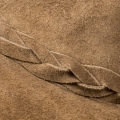
Suede
Soft leather. Musky, velvety, and skin-like.

Cheese
Salty, fatty, and funky. In tiny doses, it adds richness to gourmands or oud.

Starfish
Marine animal. Salty and fleshy.

Sea Shells
Calcium and salt. Dry mineral scent.
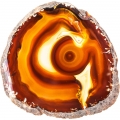
Ambrarome
An absolute that smells leathery, tar-like, and animalic with amber undertones. It adds a vintage, masculine grit to the base.
View All Musk, Amber, Animalic Smells NotesBeverages
Whether it is the effervescent joy of champagne, the roasted bitterness of espresso, or the warming embrace of a good cognac, these notes add a distinct 'flavour' to the air. They invoke specific moods and social rituals, taking the wearer from a morning café to a dimly lit jazz bar in a single spritz.

Martini
Gin and vermouth. Dry, herbal, and alcoholic.

Margarita
Lime and salt. Zesty and savory.
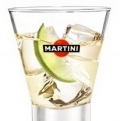
Vermouth
Aromatized wine. Herbal (wormwood) and dry.

Mojito
Mint, lime, rum, and sugar. Fresh and zesty.

Sangria
Red wine and cut fruit. Sweet and summery.

Macchiato
Espresso 'marked' with milk. Strong coffee with a creamy edge.

Negroni
Gin, vermouth, and Campari. Bitter, herbal, and orange.

Espresso
Concentrated, bitter coffee. Dark, roasted, and intense.

Pistachio Liquer
Sweet, nutty alcohol. Dessert in a glass.

Calvados Drink
French apple brandy. It smells of warm, fermented apples and oak barrels.

Bellini
Peach puree and Prosecco. It smells fizzy, fruity, and sweet, capturing the essence of brunch in Venice.
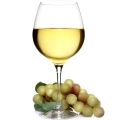
White Wine
Crisp, fruity, and acidic alcohol.

Whiskey
Oak barrels, grain, and peat. Warm and boozy.
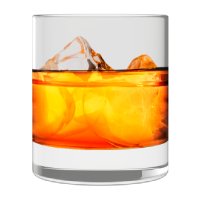
Rum
Distilled sugarcane. Sweet, brown, and spicy. It evokes pirates and warm evenings.

Génépi
An alpine herbal liqueur. Smells of wormwood, herbs, and mountain air.

Eau de Vie
Clear fruit brandy. It smells volatile, fruity, and sharp.

Cosmopolitan Cocktail
Vodka, cranberry, and lime. Tart, fruity, and energetic.

Sake
Rice wine. Yeasty, fruity (melon-like), and mild.

Cream Liqueur
Alcohol and dairy. Sweet, heavy, and warming.

Soy Milk
Bean milk. Nutty, vegetal, and creamy.
View All Beverages NotesMolecules, Minerals & Curiosities
This is the avant-garde laboratory of the perfumer, featuring everything from the smell of hot rain on asphalt to the invisible radiance of Iso E Super. These notes are often less about a specific 'smell' and more about a texture, a feeling, or an atmospheric vibration that gives modern fragrances their edge.

Timberol
High-impact woody amber synthetic.

Aquozone
A marine molecule that smells remarkably like sea breeze and ozone. It gives fragrances a wet, rainy-day feeling.

Guaiacol
Smoky, spicy, and vanilla-like chemical. It gives smoked meats and whisky their scent.

Diving Suit
Neoprene and salt water. A synthetic note for avant-garde marine scents.

Instant Film Accord
The chemical smell of a developing Polaroid. Acrid, metallic, and nostalgic.

Mineral Notes
Stone, salt, and flint. Cold and inorganic.

Brick
The smell of baked clay and dust. It creates a mineral, urban atmosphere.

Damascone
A potent aroma chemical that gives roses their fruity, apple-like jamminess. It smells vibrant and rosy-sweet.

Galaxolide
The quintessential 'clean laundry' musk. It is floral, woody, and intensely soapy.

Ambreine
The heart of labdanum, smelling warm, balsamic, and slightly spicy. It creates the classic oriental feel found in many masterpieces.
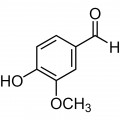
Vanillin
The main molecule of vanilla flavor. Sweet and baking-like.

Floralozone
A synthetic smelling of fresh air and vague flowers. It lifts a fragrance.
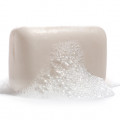
Soap
Aldehydes and white musk. Clean and sterile.

Terranol
Earthy, mossy synthetic.

Trimofix®
Amber woody fixative. Dry.

Straw
Dried stalks. Dusty and yellow.

Aqual™
A modern aldehyde that smells of fresh water and clean air. It creates a sparkling, lifting effect in the opening.

Hand Cream
A texture note. Smells creamy, cosmetic, and soothing.

Thalassogaia™
Marine biotech ingredient. Aquatic.

Mascarpone Cheese
Creamy, mild cheese. Lactonic and rich.
View All Molecules, Minerals & Curiosities NotesGourmand
An unapologetically hedonistic category dedicated to the pleasures of the patisserie, featuring dripping caramel, fluffy cotton candy, and rich chocolate. While purists may scoff, there is a profound, primal comfort in these sugary notes that bypasses the brain and goes straight to the stomach—and the heart.

Pretzel
Baked dough and coarse salt. Savory and distinct.

Panettone
Italian Christmas bread. Citrus peel, raisins, and butter.

Jelly
Fruit preserves. Sweet, translucent, and wobbly.

Milk Mousse
Whipped milk. Airy and sweet.

Lemon Pie
Custard and crust. Sweet citrus bakery scent.

Peach Cream
Peaches and cream. Smooth, lactonic, and very sweet.

Meringues
Baked sugar and egg whites. Dry, powdery sweetness.

Icing Pink
The smell of fondant or decorative sugar. Pure, unadulterated sweetness.
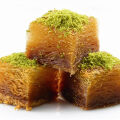
Knafeh
Sweet cheese pastry soaked in syrup. Salty-sweet, creamy, and rose-scented.

Gelatin
Faintly animalic and bland. It evokes the texture of jelly sweets.

Cookie
Baked goods. Smells of butter, sugar, and flour.

Agave Nectar
A warm, honey-like sweetener that is less floral than actual honey. It adds a smooth, golden glaze to a fragrance without being cloying.

Nectar
Floral sugar water. Sticky and sweet.

Jellybean
Sugar shell and artificial fruit flavor. A playful, childhood scent.
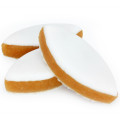
Calissons d'Aix
A French candy made of melon and almond paste. It smells fruity, nutty, and sweet.

Croissant
Butter and baked dough. It evokes a Parisian morning.

Dragibus
A specific French jelly bean. It smells fruity, sticky, and artificial.

Cheesecake
Cream cheese, sugar, and crust. It is tangy, creamy, and heavy.
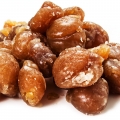
Marron Glacé
Candied chestnut. Vanilla, sugar, and nutty puree.

Bonbon
A general term for hard candy. It smells sugary, fruity, and childlike.
View All Gourmand NotesWoods & Earth
The stoic backbone of fragrance, grounding the flightier notes with the scent of ancient trunks, dry bark, and the damp, shadowed floor of the forest. Ranging from the creamy spirituality of sandalwood to the dry, pencil-shaving snap of cedar, these notes provide structure, longevity, and a timeless elegance.
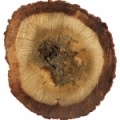
Indian Oud
The wildest of ouds, often smelling barnyard-like, leathery, and deeply animalic. It is intense and not for the shy.

Rhizoma Atractylodis
Chinese root. Pungent and earthy.
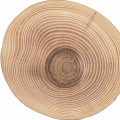
Clearwood
A transparent patchouli note created by fermentation. It smells woody and clean without the dirt.

Black Spruce
Resinous, piney, and fresh with a hint of camphor. It smells like Christmas trees and cold air.
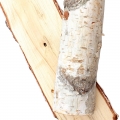
Birch
Smoky and tar-like, evoking the smell of a campfire or well-worn Russian leather. It’s rugged and uncompromising.

Desert Sagebrush
Dry, dusty, and intensely herbal. It evokes the vast, arid landscapes of the American West.

Incienso
A desert shrub (Encelia) that smells resinous and pine-like. It is pungent and aromatic.

Coconut Tree
The woody trunk scent. Dry, fibrous, and slightly salty.
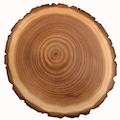
Cedar
The smell of fresh pencil shavings or a dry sauna. It provides a sturdy, clean woody backbone that grounds flightier notes.

Chalood Bark
A Thai bark used in perfumes. It smells woody, sweet, and spicy.

Coffee Tree
The wood of the plant. Mildly woody with no roasted notes.

Cork
Dry, woody, and light. Smells like a wine stopper or bark.

Grass Tree
Xanthorrhoea. It creates a resin that smells balsamic and woody.

Buxus
Boxwood, smelling green, woody, and slightly urinous (like cat pee). It smells like a formal French garden.

Ishpink, Ocotea Quixos
Amazonian cinnamon. It smells spicy and floral, distinct from common cinnamon.
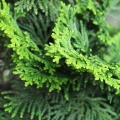
Hinoki Wood
Japanese Cypress. It smells lemony, woody, and sacred (used in temples and baths).

Mulberry plant
Green and woody.

Larch
A conifer scent. Resinous, turpentine-like, and fresh.
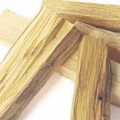
Palo Santo
Holy Wood. It smells creamy, lemony, and smoky, used for cleansing energy.

Ravensara
Aromatic oil from Madagascar. Smells camphorous, spicy, and clove-like.
View All Woods & Earth NotesWhite Flowers
A distinct league of floral powerhouses including Tuberose, Jasmine, and Gardenia, known for their creamy, narcotic heaviness that often intensifies as the sun goes down. Unlike their shy daylight cousins, these blooms possess a carnal, indolic undertone—a whisper of animalic warmth amidst the sweetness—that makes them unapologetically sensual and dominating.
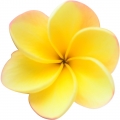
Frangipani
Plumeria. Thick, creamy, and tropical, smelling of almonds and fruit. It is the scent of a holiday.
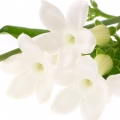
Stephanotis
Madagascar Jasmine. Waxy, sweet, and bridal.
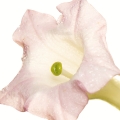
White Tobacco
Nicotiana flower. Sweet and jasmine-like.
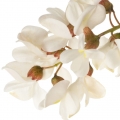
Black Locust
A tree with white flowers that smell intensely sweet and honeyed, similar to orange blossom but heavier.

Mandarin Orange Blossom
Floral and honeyed.

Carissa
Natal Plum blossoms, smelling similar to gardenia and jasmine. A lush, white floral.
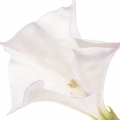
Datura
A poisonous flower with a narcotic, almond-like floral scent. It smells dangerous, heavy, and hypnotic.
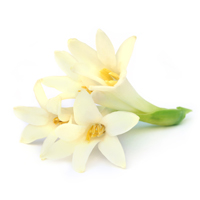
Tuberose
Carnal, creamy, and loud. It smells of flesh, bubblegum, and green stems.
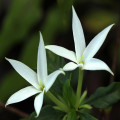
Karo-Karounde
An African flower smelling of jasmine, chocolate, and spices. It is rich and dark.

Belanis
A synthetic molecule that smells of anise and white florals. It bridges the gap between spice and petal.

Tangerine Blossom
Sweet white floral.
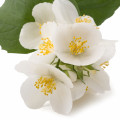
Syringa
Lilac. Sweet and fresh.
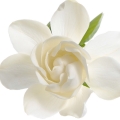
Gardenia
Heady, creamy white floral with a distinct mushroomy or blue cheese undertone. It is lush and narcotic.
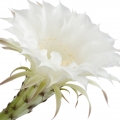
Night Blooming Cereus
A cactus flower. Vanilla-scented and spicy.
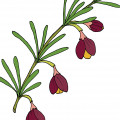
Boronia
A rare Australian flower with a complex scent of fruit, wood, and violet. It is expensive and highly prized.
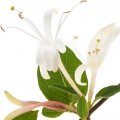
Honeysuckle
Nectar-heavy, sunny, and sweet. It captures the smell of warm summer evenings perfectly.
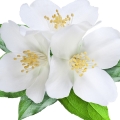
White Flowers
A genre (Jasmine, Tuberose, Gardenia). Indolic, creamy, and heady.

Moon Flower
Ipomoea alba. A night-blooming vine smelling sweet and musky.

Jasmine
The King of Flowers. It can smell fresh and tea-like or heavy, animalic, and narcotic depending on the variety.
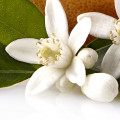
Grapefruit Blossom
Like neroli but sharper. Floral with a bitter citrus edge.
View All White Flowers NotesBotanicals & Aromatics
This is the scent of the apothecary’s garden and the gentleman’s barber, full of crushed leaves, bracing mint, and the calming herbaceousness of lavender. These notes cut through heat and heaviness with a savory, green clarity that feels restorative, intelligent, and famously spirited.
Algae
A slimy, green, oceanic scent that is iodine-heavy and salty. It brings the true, funky smell of the seaside rather than the sanitized version.

Coca
The plant leaf, smelling green, dry, and tea-like. It lacks the sweetness of the soda.

Deer Tongue Grass
Rich in coumarin, smelling of vanilla, hay, and almonds. It creates a sweet, herbaceous warmth.

Hat Straw
Dried grass and sun. Evokes summer hats and baskets.

Ginkgo
Green and herbal. The fruit can smell rancid, but the leaves are mild and distinct.

Yunnan Red Tea
Black tea. Smoky, malty, and honeyed.

Chaparral
The smell of the desert after rain. Creosote bush releases a distinct tarry, herbal scent.

Pandanus
Screw Pine. Similar to Pandan.

Blackberry Leaf
Green, earthy, and slightly tart. It smells like the bush rather than the berry, adding a natural roughness.

Bulrush
A water reed scent that is green, dry, and slightly vegetative. It evokes ponds and wetlands.
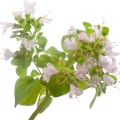
Oregano
Herbal, spicy, and savory. It smells remarkably like pizza.

Naswar
Dipping tobacco. Pungent, green, and earthy.

Jatamansi or Spikenard
A Himalayan root with a heavy, earthy, musky scent. It feels ancient and spiritual.

Burdock
Earthy, woody, and slightly bitter root scent. It feels medicinal and grounding.
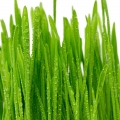
Grass
Freshly cut lawn. Green, sweet, and chlorophyll-heavy.

Cangzhu
A Chinese medicinal root (Atractylodes). It smells spicy, woody, and rooty.

Chinese Medicinal Herbs
A complex mix of bitter, earthy, and aromatic roots. It smells of traditional apothecary shops.

Turnera Diffusa (Damiana)
Herbal shrub. Chamomile-like.

Sabah Snake Grass
Herbal medicine. Green and grassy.

Ti Leaf (Cordyline)
Tropical green leaf.
View All Botanicals & Aromatics NotesSpices
These ingredients bring the heat and the vibration, adding a three-dimensional hum to a composition that tickles the nose and wakes up the palate. From the cooling, camphorous touch of cardamom to the fiery crackle of black pepper, spices prevent a fragrance from ever feeling flat or boring.
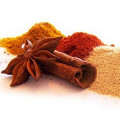
Oriental Notes
A genre of resins, spices, and vanilla. Warm, sensual, and heavy.

Siam Cardamom
Amomum. Camphorous and spicy.
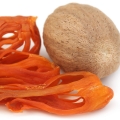
Mace
The outer covering of nutmeg. Smells similar but sweeter and softer.

Wan Sao Lhong
Thai herb. Spicy and aromatic.
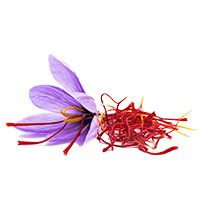
Saffron
Red gold. It smells leathery, metallic, and medicinal. The most expensive spice in the world.

Pimento Leaf
Greener and sharper than the berry. Very spicy.

Spiked Pepper
Piper aduncum. Spicy and woody.

Curcuma (Turmeric)
Earthy, dusty, and slightly ginger-like. It adds a dry yellow spice note.

Green Coffee
Unroasted beans. They smell vegetal, pea-like, and grassy.
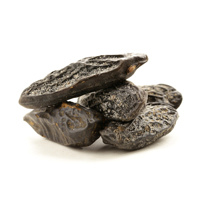
Tonka Bean
The scent of coumarin—vanilla, almond, hay, and tobacco rolled into one.

Toscanol
Aromatic chemical. Anise and herbal.

Dill
Aromatic, green, and savory—yes, it smells like pickles. It adds a surprising culinary freshness.
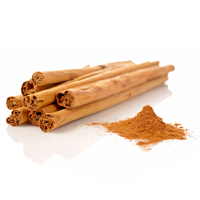
Cinnamon
Warm, spicy, and woody. It evokes baking, holidays, and heat.
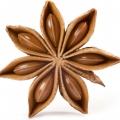
Star Anise
Licorice spice. Sweet, medicinal, and herbal.
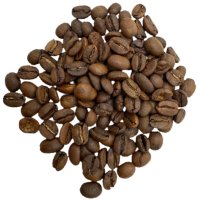
Coffee
Dark, roasted, and energizing, bringing a bitter gourmand edge. It grounds sweetness and adds a restless, urban energy to a scent.

Safraleine
A Givaudan molecule. Smells of saffron, tobacco, and leather.

Biryani
A complex mix of savory spices including saffron, cardamom, and rice. It is a gourmand scent, but savory and dinner-like.

Bengal Pepper
Also known as Long Pepper, it is hotter and sweeter than black pepper. It has a complex, spicy-sweet aroma.

Coffee CO2
A photorealistic roasted coffee bean extract. It smells exactly like an espresso bar.
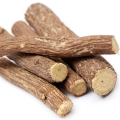
Licorice
Sweet, black, and anise-like. It adds a dark, polarizing gourmand twist.
View All Spices NotesResins And Balsams
The ancient tears of trees, these materials have been burned in rituals for millennia and bring a sacred, meditative smoke to perfumery. They are thick, sticky, and profoundly complex, offering a sweet, leathery darkness that feels like a protective cloak against the cold.

Andiroba
An oil from the Amazon that smells woody, nutty, and slightly bitter. It adds a wild, unpolished texture to a fragrance.

Mopane
African Balsam. Smells turpentine-like and woody.

Gurjun Balsam
A resin smelling woody, peppery, and dry. Often used to adulterate patchouli, but lovely on its own.
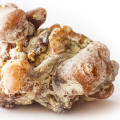
Copaiba Balm
A Brazilian resin that is sweet, woody, and slightly peppery. It acts as a fixative.

Bisabolene
A terpene that smells balsamic, woody, and slightly citrusy. It is often found in myrrh and opoponax.
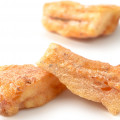
Styrax
Sweet, spicy, and leather-like resin. Smells of plastic and balsam.
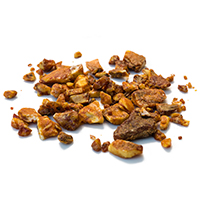
Benzoin
A comforting balsamic resin that smells of vanilla and cinnamon. It gives fragrances a cozy, almost edible warmth without being overly sugary.

Olibanum Sacra Resin Green
High-grade green frankincense. Smells brighter and more citrusy.

Choya Ral
Roasted Sal tree resin. It smells leathery, smoky, and woody.
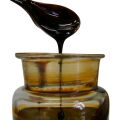
Peru Balsam
Rich, sweet, and vanilla-like resin. It acts as a fixative and smooths everything out.
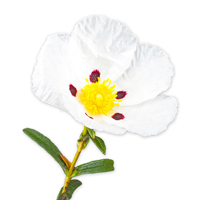
Labdanum
The cornerstone of amber accords. It smells leathery, sweet, dirty, and warm all at once.

Japanese Incense
Clean, low-smoke incense usually based on sandalwood and aloeswood. It is meditative and dry.
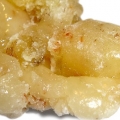
Elemi
A resin that smells surprisingly like lemon, pine, and pepper. It is bright and balsamic.

Choya Nakh
Roasted seashells. It smells smoky, mineral, and oceanic.
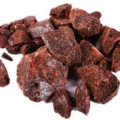
Dragon Blood Resin
A bright red resin that smells sweet, spicy, and slightly woody. It is lighter and cleaner than frankincense.
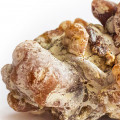
Copahu Balm
Copaiba balsam. It smells woody, spicy, and mild.

Bois d'Encens
Incense wood. It smells peppery, resinous, and spiritual, inspired by church incense.
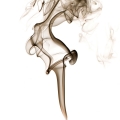
Incense
Smoke, resin, and ritual. It captures the cold, spiritual air of a cathedral or a temple.

Estoraque
Liquidambar. It smells balsamic, cinnamic, and styrax-like.
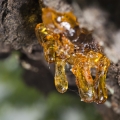
Amberwood
A sturdy blend of amber warmth and dry cedar-like woodiness. It acts as a strong pillar holding up the rest of the scent structure.
View All Resins And Balsams NotesCitrus
The sunshine of the fragrance world, these volatile oils provide the sparkling opening act that greets you the moment the mist hits the air. While they are fleeting by nature, their zesty, sour-sweet optimism is essential for lifting the heavier materials and preventing a perfume from feeling like a lead weight.
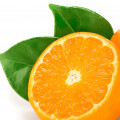
Mandora
A cross between mandarin and orange. Juicy and sweet.
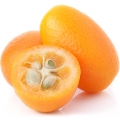
Kumquat
Sour orange. It smells sharper and more bitter than a sweet orange.
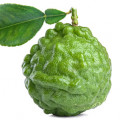
Kaffir Lime
Makrut lime. The leaves smell intensely sharp, green, and uniquely Thai cuisine-like.

Red Mandarin
The sweetest mandarin oil. Floral and candy-like.
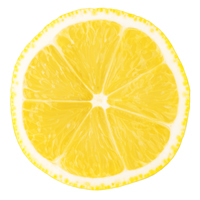
Lemon
Bright, acidic, and sunny. It can smell like fresh zest or cleaning fluid depending on the quality.
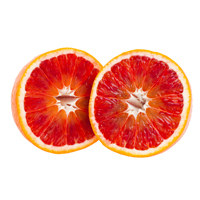
Blood Orange
Juicier, sweeter, and redder than standard orange, with raspberry nuances. It feels lush and Mediterranean.
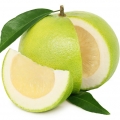
Pomelo
A giant grapefruit. Mild, thick-rinded, and sweet-tart.

Hassaku
A Japanese citrus hybrid. Smells like sour orange and grapefruit.

Shiikuwasha
Okinawa Lime. Sour and tangerine-like.

Buddha's hand
A strange citrus fruit smelling of lemon zest and flowers without the juice. It is dry and aromatic.
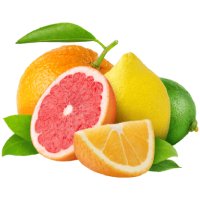
Citruses
A general category for Hesperidic notes (lemon, orange, etc.). They are volatile, fresh, and uplifting.
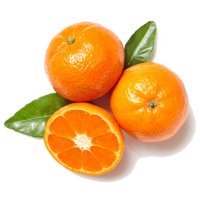
Mandarin Orange
Sweeter and less acidic than orange. It smells candy-like and joyous.

Tangerine Zest
Oily orange peel scent.
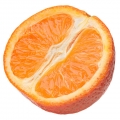
Tangerine
Easy, sweet citrus. Less complex than mandarin.

Rind Bergamot
The zest. Bitter and aromatic.
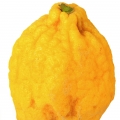
Citron
A large, ancient citrus fruit. It smells dry, zesty, and less sweet than lemon.

Green Tangerine
Unripe tangerine. It smells more zesty and bitter than the ripe fruit.
Litsea Cubeba
May Chang. An shrub that smells intensely like lemon sherbet sweets.

Lemon Balm
Melissa. It smells like lemon mixed with mint and herbs.

Grapefruit Peel
The oil from the rind. It contains the sulfurous, sparkly character of the fruit.
View All Citrus NotesAssorted
A curated cabinet of curiosities for the notes that defy our desire for neat little boxes, yet remain absolutely essential to the perfumer's palette. Here you will find the outliers and the individualists, ingredients that possess a character so distinct they refuse to sit quietly with the flowers or the fruits.

Fog
Damp air, cold water, and earth. A mood rather than a distinct smell.

Forest Foliage
Green, decay, and moss. The smell of the woods floor.
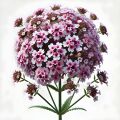
Vervain
Verbena. Lemony and herbal.

Sweet Potato
Earthy and sweet tuber.

Umami
Savory taste. Broth-like and salty.

Sorghum
Cereal grain. Smoky (in Baijiu) or sweet (syrup).

Hookah
Sweet, fruity tobacco smoke. Sticky and aromatic.

Canna flower
A tropical lily-like flower. It smells exotic and mild.

Nemophila
Baby Blue Eyes. Very mild floral.

Jonquille
A type of narcissus. It smells heady, honeyed, and deep yellow, with a tobacco nuance.

Sweet Alyssum
Honey-scented flower.

Mangrove Wood
Salty and woody. Evokes swamps and coasts.
View All Assorted Notes