
The Olfactory Library
Welcome to the building blocks of the invisible art. If a perfume is a symphony, then these are the individual notes on the sheet music—the singular elements that the perfumer arranges to create a melody that lingers on your skin.
Whether you are here to understand why you adore Vetiver but detest Patchouli, or simply to find out what "Iso E Super" actually is, this library is your guide.
Categories
Florals
The undisputed heart of perfumery, ranging from the innocent whisper of a spring muguet to the narcotic, carnal shout of a tuberose. These notes provide the romance and the texture, proving that flowers are far too complex to be considered merely 'pretty'.
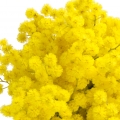
Mimosa
Yellow pom-pom flowers. They smell powdery, almond-like, and sunny.
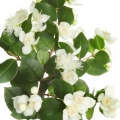
Myrtle
Herbal, camphorous, and slightly floral. Smells Mediterranean.

Michelia
Magnolia relative. Smells creamy, spicy, and fruity.

Morning Glory Flower
Mild floral. Mostly visual.

Hellabore Flower
Winter rose. It has a subtle, earthy, and green scent.

Yellow Flowers
Generic sunny floral. Mimosa/Ylang vibe.

Litchi Blossom
Floral and slightly honeyed.

Ashoka Flower
A sacred Indian flower with a soft, orange-like floral scent. It is culturally significant and smells gently exotic.

Magnolia Leaf
Green and waxy.

Dogwood Blossom
A mild, powdery floral scent. It is mostly textural, adding a soft white petal feel.
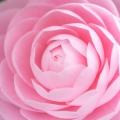
Camellia
A flower with very little natural scent, represented in perfume as a fresh, tea-like floral. It feels wet and elegant.

Butomus Umbellatus
Flowering Rush, smelling slightly floral and aquatic. It is a subtle wetland scent.

Blue Lilies
Also known as Blue Lotus, it smells floral, aquatic, and slightly spicy. It has a sacred, tranquil quality.

Green Nard
Spikenard. Intense, earthy, and musk-like. An ancient scent.

Dove Tree
The Handkerchief Tree. It has a light, incense-like floral aroma.

Alyssum
A honey-sweet flower scent that can be quite powerful. It smells like warm summer air filled with nectar.

Alumroot
Also known as Coral Bells, it has an earthy, green floral quality. It smells like a shady garden border.

Blue Poppy
A Himalayan flower with a cool, earthy floral scent. It feels rare and mountainous.
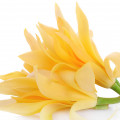
Champaca
A rich orange flower related to magnolia. It smells velvety, spicy, and tea-like.

Fig Blossom
Green and floral, lighter than the fruit. It smells fresh and unopened.
View All Florals NotesFruits, Nuts & Savoury Notes
This is the scent of the orchard and the vegetable patch rather than the patisserie, capturing the crisp snap of an apple or the earthy grit of a carrot. These notes add a mouth-watering texture and vitality, bringing a sense of abundance and natural realism that prevents a fragrance from feeling too abstract.
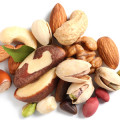
Nutty Notes
A generic savory/oily note. Almond, walnut, or hazelnut nuances.

Chia Seed
Mild, nutty, and bland. Mostly adds a textural 'health food' vibe.

Currant Leaf and Bud
Cassis. It smells green, fruity, tart, and animalic.

Taro
Starchy root. Sweet and nutty.
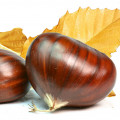
Chestnut
Starchy, sweet, and nutty. When roasted, it smells warm and cozy.

Elderberry
Tart, juicy, and dark purple. It lacks the sweetness of other berries.

Apple Sherbet
A frozen, sweet apple treat that is icy and refreshing. It adds a cool, sugary fruit blast to the top notes.

Isabella Grape
A dark-skinned grape with a 'foxy,' musky sweetness. It smells intense and wine-like.

Mangosteen
Sweet, tart, and floral fruit. Delicate and juicy.
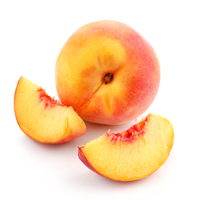
Peach
Velvety skin and lactonic flesh. A classic note that ranges from fresh nectar to the iconic Mitsouko chypre style.

Pineapple
Juicy, acidic, and sweet. A key component of Aventus, adding a bright yellow burst.
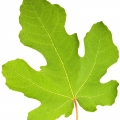
Fig Leaf
Bitter, green, and coconutty. It brings a sharp, realistic snap of greenery.
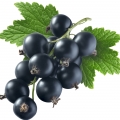
Black Currant
Tart, jammy, and slightly ammoniac—some say 'catty,' I say characterful. It adds a dark, purple richness that is utterly distinctive.

Jabuticaba
A Brazilian berry that grows on the tree trunk. Smells like a grape-plum hybrid.

Pitanga
Surinam Cherry. Tart, red, and tropical.
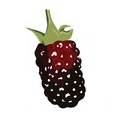
Boysenberry
A cross between a raspberry and blackberry. It smells juicy, jammy, and deep purple.

Mung Bean
Starchy and green. Used in Asian desserts.

Daikon Radish
Peppery, crisp, and watery. It adds a sharp, earthy crunch that feels decidedly modern and savory.
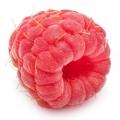
Raspberry
Sweet, tart, and seedy. It pairs beautifully with leather and oud for a modern edge.

Persimmon
Sharon fruit. Sweet, jelly-like, and mild.
View All Fruits, Nuts & Savoury Notes NotesMusk, Amber, Animalic Smells
These are the sensual heavyweights that linger on the skin long after the citrus has fled, providing warmth, depth, and a certain human intimacy. From the cozy, golden glow of amber to the primitive, purring growl of civet, these notes transform a simple scent into a living, breathing entity.

Kephalis
A synthetic wood note smelling of warm amber, tobacco, and old wood.

Ambretone
A sweet, musky amber note that is very diffusive. It creates a soft, radiant aura around the wearer.

Habanolide®
A synthetic musk with a metallic, hot-iron undertone. It smells clean and waxy.

Animal Notes
A catch-all for smells that are furry, warm, and slightly dirty. They add a carnal, living breath to a perfume that makes it sexy.
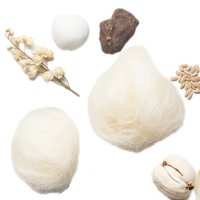
Musk
The sensual fog that holds a perfume together. Can be clean (laundry) or dirty (skin).
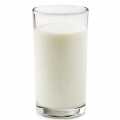
Milk
Creamy, lactonic, and comforting. It adds a nursery-soft texture.

Genet
Broom flower. It smells honeyed, hay-like, and slightly tobacco-ish.
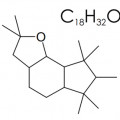
Amber Xtreme
An incredibly powerful woody-amber note that projects for miles. It can be sharp and dry, cutting through even the heaviest compositions.
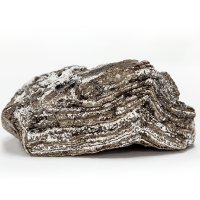
Ambergris
The gold standard of fixatives, smelling of salty skin and warm ocean air. It possesses a magical ability to make a fragrance shimmer and last forever.

Ambertonic™ (IFF)
A modern molecule that is deep, musky, and woody with a dry heat. It gives a fragrance a contemporary, vibrating trail.

Meat
Raw or cooked flesh. Iron-like, savory, and primal.
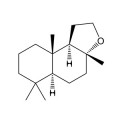
Ambroxan
A synthetic marvel that mimics ambergris but with a drier, woodier crispness. It’s incredibly diffusive and seems to float around the wearer like a transparent veil.

Akashic Acord
A fantasy concept note meant to evoke the ether or spiritual archives. Usually smells airy, mineral, and impossible to pin down.

Saffiano Leather
A specific textured leather print (Prada). Smells clean, synthetic, and expensive.

Fur
Warm, oily, and animalic. It smells like a sleeping cat or a vintage coat.

Muskrat
An animalic musk. Similar to civet but soapier.
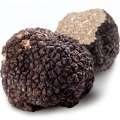
Truffle
Fungus not chocolate. Earthy, musky, and savory.

Ambrostar
A modern captive molecule that offers a dry, vibrant woody-amber effect. It helps a fragrance lift off the skin and sparkle.
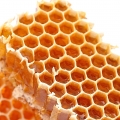
Beeswax
Sweet, animalic, and sticky, with hints of honey and pollen. It adds a natural, waxy richness to the base.

Cetalox
A sleek, clean ambergris synthetic famously used as a standalone in 'Not A Perfume'. It smells purely of amber and skin.
View All Musk, Amber, Animalic Smells NotesBeverages
Whether it is the effervescent joy of champagne, the roasted bitterness of espresso, or the warming embrace of a good cognac, these notes add a distinct 'flavour' to the air. They invoke specific moods and social rituals, taking the wearer from a morning café to a dimly lit jazz bar in a single spritz.

Tequila
Agave spirit. Earthy, alcoholic, and weird.

Soju
Korean spirit. Clean alcohol scent.

Sake
Rice wine. Yeasty, fruity (melon-like), and mild.
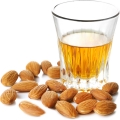
Amaretto
The distinct aroma of almond liqueur, sweet and slightly bitter with a cherry edge. It is boozy and rich, perfect for evening wear.

Port Wine
Sweet fortified wine. Fruity, heavy, and aged.
Wine Lees
Fermentation sediment. Yeasty and fruity.

Prosecco
Italian sparkling wine. Fruity, fizzy, and dry.

Beer
Yeasty, malty, and slightly fizzy. It brings a casual, pub-like atmosphere that is strangely comforting.

Soy Milk
Bean milk. Nutty, vegetal, and creamy.
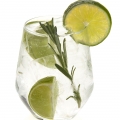
Gin
Juniper berries and alcohol. Sharp, piney, and clean.

Blackcurrant Juice
Sweet, syrupy, and intensely fruity. It smells like Ribena, bringing a nostalgic, thirst-quenching vibe.

Applejack
A boozy apple brandy scent that is warm and fruity. It smells like spiced cider with a kick, perfect for autumn.

Cosmopolitan Cocktail
Vodka, cranberry, and lime. Tart, fruity, and energetic.

Rhum Agricole
Cane juice rum. Grassy, vegetal, and funky.

Lemon Soda
Sprite/7-Up scent. Fizzy, lime-lemon, and artificial.
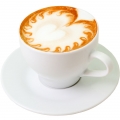
Cappuccino
Coffee with foamed milk. It smells roasted but creamy and comforting.

Rice Water
Starchy water. Mild and skin-soothing.

Champagne Rosé
Pink champagne. It smells fizzy like regular champagne but with added berry sweetness.

Plum Wine
Japanese plum wine. Sweet, sour, and almondy.
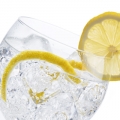
Tonic Water
Quinine water. Bitter and fizzy.
View All Beverages NotesMolecules, Minerals & Curiosities
This is the avant-garde laboratory of the perfumer, featuring everything from the smell of hot rain on asphalt to the invisible radiance of Iso E Super. These notes are often less about a specific 'smell' and more about a texture, a feeling, or an atmospheric vibration that gives modern fragrances their edge.
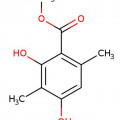
Evernyl
A synthetic oakmoss substitute. It smells mossy, dry, and mineral, essential for modern chypres.

Scent Trek®
Givaudan's headspace technology. Captures realistic smells.

Mayonnaise Accord
Eggs, oil, and vinegar. A savory, fatty novelty.

Cigarette
Unburnt tobacco and paper, or ash. It adds a gritty, noir vibe.

Candle Wax
Paraffin or beeswax scent. It smells waxy, fatty, and faintly smoky.

Brick
The smell of baked clay and dust. It creates a mineral, urban atmosphere.

Pearls
A fantasy texture. Cool, calcium-rich, and smooth.

Isobutyl Quinoline
A powerhouse synthetic leather note. It smells green, mossy, and incredibly sharp.

Calypsone
A synthetic ozone and melon note. It smells like fresh sea spray.

NaturalCalm™
A synthetic note implying relaxation. Likely herbal or ozonic.

Sand
Hot silica. Dry, mineral, and solar.
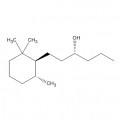
Norlimbanol™
A powerful dry wood synthetic. Smells dusty and animalic.

Jasmolactone
A synthetic note found in jasmine and tuberose. It smells creamy, fruity (peach-like), and waxy.

Mitti Attar
Baked earth distilled into sandalwood. The smell of the first rain.
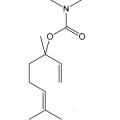
Pepperwood™
A Givaudan molecule. Spicy, peppery, and fresh like linalool.

Porcelain
Cold, smooth mineral note. Evokes fine china.

Pink Crystal
A fantasy marketing note. Probably smells like sugar and fruit.

Propolis
Bee glue. Resinous, balsamic, and waxy.

Plastic Bag
Dry polyethylene. Faint and chemical.

Satin
A fantasy texture. Smooth, cool, and glossy.
View All Molecules, Minerals & Curiosities NotesGourmand
An unapologetically hedonistic category dedicated to the pleasures of the patisserie, featuring dripping caramel, fluffy cotton candy, and rich chocolate. While purists may scoff, there is a profound, primal comfort in these sugary notes that bypasses the brain and goes straight to the stomach—and the heart.
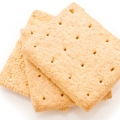
Biscuit
The smell of baked flour, butter, and sugar. It creates a warm, comforting aura of tea-time treats.

Dorayaki
A Japanese pancake filled with red bean paste. It smells sweet, cake-like, and slightly earthy.

Baked Apple
Warm, soft fruit with caramelized sugars. It lacks the crispness of fresh apple, replacing it with comforting warmth.

Gianduia
Chocolate and hazelnut paste. It is rich, nutty, and sweet (think Nutella).

Dragibus
A specific French jelly bean. It smells fruity, sticky, and artificial.

Gelatin
Faintly animalic and bland. It evokes the texture of jelly sweets.

Gummy Candies
Artificial fruit and gelatin. Playful and sweet.

Bubbaloo
A specific brand of liquid-filled gum. Smells intensely synthetic, fruity, and sweet.

Acetyl Furan
A powerful synthetic that smells remarkably like balsamic vinegar and burnt sugar. It provides that caramelized, toasted crunch to gourmand scents.

Agave Nectar
A warm, honey-like sweetener that is less floral than actual honey. It adds a smooth, golden glaze to a fragrance without being cloying.

Puff Pastry
Butter layers and flour. Savory-sweet and airy.

Gingerbread
Warm ginger, molasses, and cinnamon. A cozy holiday gourmand scent.

Fougassette
A Provencal bread flavored with orange blossom. Yeasty and floral.

Donut or Doughnut
Fried dough and sugar glaze. It smells oily, sweet, and comforting.

Buttercream
Sugar and fat whipped together. It smells like frosting—vanillic, sweet, and heavy.

Coconut Powder
Dry, desiccated coconut. It smells milky but dusty.

Apple Pie
Baked apples, cinnamon, and buttery crust. It is a comforting gourmand scent that smells like home and holidays.
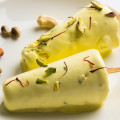
Kulfi
Indian ice cream. Dense, milky, and flavored with cardamom, saffron, and pistachio.

Cookie
Baked goods. Smells of butter, sugar, and flour.

Horchata
Rice milk, cinnamon, and sugar. Creamy and comforting.
View All Gourmand NotesWoods & Earth
The stoic backbone of fragrance, grounding the flightier notes with the scent of ancient trunks, dry bark, and the damp, shadowed floor of the forest. Ranging from the creamy spirituality of sandalwood to the dry, pencil-shaving snap of cedar, these notes provide structure, longevity, and a timeless elegance.
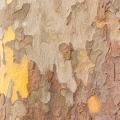
Sycamore
Woody and leafy.

Black Spruce
Resinous, piney, and fresh with a hint of camphor. It smells like Christmas trees and cold air.

Dark Patchouli
Aged and intense, smelling of wet earth, camphor, and dark cellars. It is the heavy, hippie-chic version of the leaf.

Black Hemlock or Tsuga
A conifer scent that is piney, woody, and slightly fruity. It evokes deep, dark forests.

Cork
Dry, woody, and light. Smells like a wine stopper or bark.
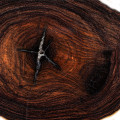
Ebony Tree
Dark, dense, and slightly spicy wood. It feels mysterious and solid.
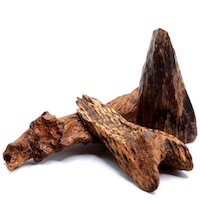
Agarwood (Oud)
The heavyweight champion of woods, smelling dark, complex, and occasionally barnyard-esque. It adds a profound, resinous depth that demands attention.

Coconut Tree
The woody trunk scent. Dry, fibrous, and slightly salty.

Ho Wood
High in linalool. It smells woody, floral, and fresh, often used as a rosewood substitute.

Australian Blue Cypress
A unique cypress oil that is blue in color and smells woody, smoky, and honeyed. It is complex and smoother than pine.

Alder
A subtle wood note that is light and slightly sweet. It provides a background hum of nature without dominating the conversation.

Apple Tree
A woody note with hints of fruit and sap. It grounds the fruitiness with a solid, bark-like texture.
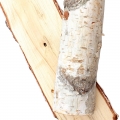
Birch
Smoky and tar-like, evoking the smell of a campfire or well-worn Russian leather. It’s rugged and uncompromising.
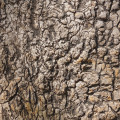
Belambra Tree
A synthetic wood note by Givaudan that smells dry, amber-like, and sophisticated. It adds modern radiance.

Australian Oud
Sourced from Australian botanicals, this oud is often cleaner and greener. It lacks the barnyard funk of traditional agarwood.

Ishpink, Ocotea Quixos
Amazonian cinnamon. It smells spicy and floral, distinct from common cinnamon.

Ironwood
An incredibly hard wood with a metallic, dry scent. It feels dense and impenetrable.

Kenya Rosewood
A wood smelling faintly floral and dry.

Cottonwood (Poplar)
Sweet, balsamic, and woody. The buds smell like honey and resin.
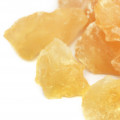
Amyris
Often called 'West Indian Sandalwood,' it is woody but slightly balsamic and oily. It’s a reliable workhorse wood that smells creamy and resinous.
View All Woods & Earth NotesWhite Flowers
A distinct league of floral powerhouses including Tuberose, Jasmine, and Gardenia, known for their creamy, narcotic heaviness that often intensifies as the sun goes down. Unlike their shy daylight cousins, these blooms possess a carnal, indolic undertone—a whisper of animalic warmth amidst the sweetness—that makes them unapologetically sensual and dominating.
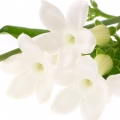
Stephanotis
Madagascar Jasmine. Waxy, sweet, and bridal.

Melati
Indonesian Jasmine. Sweet and tea-like.
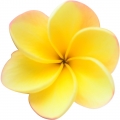
Frangipani
Plumeria. Thick, creamy, and tropical, smelling of almonds and fruit. It is the scent of a holiday.
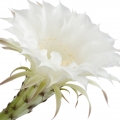
Night Blooming Cereus
A cactus flower. Vanilla-scented and spicy.
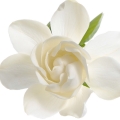
Gardenia
Heady, creamy white floral with a distinct mushroomy or blue cheese undertone. It is lush and narcotic.
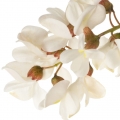
Black Locust
A tree with white flowers that smell intensely sweet and honeyed, similar to orange blossom but heavier.
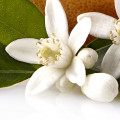
Grapefruit Blossom
Like neroli but sharper. Floral with a bitter citrus edge.

Tangerine Blossom
Sweet white floral.
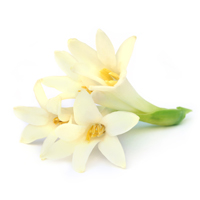
Tuberose
Carnal, creamy, and loud. It smells of flesh, bubblegum, and green stems.
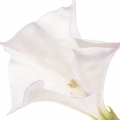
Datura
A poisonous flower with a narcotic, almond-like floral scent. It smells dangerous, heavy, and hypnotic.
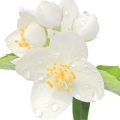
Mock Orange
Philadelphus. Smells intensely like orange blossom but sweeter.
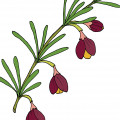
Boronia
A rare Australian flower with a complex scent of fruit, wood, and violet. It is expensive and highly prized.
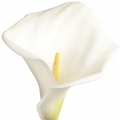
Arum Lily
A fleshy white floral scent that can be slightly animalic. It smells grand and imposing, like a wedding bouquet.

Carissa
Natal Plum blossoms, smelling similar to gardenia and jasmine. A lush, white floral.

Belanis
A synthetic molecule that smells of anise and white florals. It bridges the gap between spice and petal.
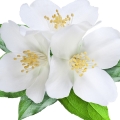
White Flowers
A genre (Jasmine, Tuberose, Gardenia). Indolic, creamy, and heady.
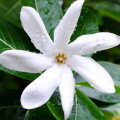
Tiare Flower
Tahitian Gardenia. Creamy, tropical, and sweet.

Mandarin Orange Blossom
Floral and honeyed.
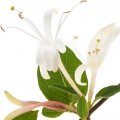
Honeysuckle
Nectar-heavy, sunny, and sweet. It captures the smell of warm summer evenings perfectly.
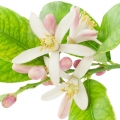
Lemon Blossom
Waxy white floral with a citrus edge. Fresh and pretty.
View All White Flowers NotesBotanicals & Aromatics
This is the scent of the apothecary’s garden and the gentleman’s barber, full of crushed leaves, bracing mint, and the calming herbaceousness of lavender. These notes cut through heat and heaviness with a savory, green clarity that feels restorative, intelligent, and famously spirited.
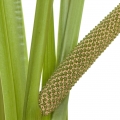
Calamus
A wetland reed smelling woody, spicy, and warm. It has an ancient, papyrus-like vibe.

Sideritis Mountain Tea
Greek Mountain Tea. Herbal, lemon, and chamomile notes.

Willow-Leaved
Justicia. Herbal.

Wild carrot
Queen Anne's Lace. Earthy, rooty, and green.

Spinach
Dark green leaf. Iron-rich and vegetative.

Water Lily Leaf
Vegetal aquatic note.

Tulsi
Holy Basil. Clove-like and herbal.
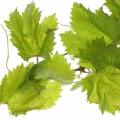
Vine
Grape vine wood. Dry and twisted.

Ti Leaf (Cordyline)
Tropical green leaf.

Tumbleweed
Dry grass and dust. Desert smell.

Winter Tea
Spiced tea blend.
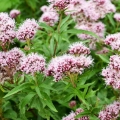
Valerian
Medicinal root. Can smell like dirty socks.
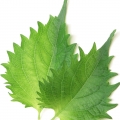
Shiso
Japanese herb (Perilla). Smells of mint, basil, and cumin.

Siriuba Tree
Amazonian tree. Smells soapy and balsamic.

Garlic
Pungent and sulfurous. A daring, savory note rarely used in fine fragrance.
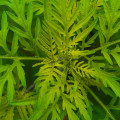
Davana
A chameleon herb that smells of dried fruit, wine, and tea. It shifts on every skin, sometimes smelling balsamic, sometimes herbal.

Hops
Bitter, green, and resinous. It smells like IPA beer and cannabis.
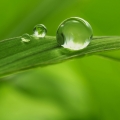
Green Notes
A category for crushed leaves, grass, and stems. Fresh and vibrant.

Rye
Cereal grain. Spicy and dry.
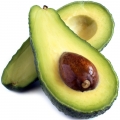
Avocado
Creamy, fatty, and green, with a subtle nutty aroma. It adds a smooth, vegetal texture rather than a strong smell.
View All Botanicals & Aromatics NotesSpices
These ingredients bring the heat and the vibration, adding a three-dimensional hum to a composition that tickles the nose and wakes up the palate. From the cooling, camphorous touch of cardamom to the fiery crackle of black pepper, spices prevent a fragrance from ever feeling flat or boring.

Toscanol
Aromatic chemical. Anise and herbal.

Curry
A blend of spices (cumin, fenugreek). It smells savory and warm.
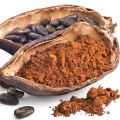
Cacao Pod
The raw bean smell—bitter, dusty, and earthy. It is chocolate before the sugar is added.

Cinnamon Leaf
Smells like clove and cinnamon combined. It is harsher and greener than the bark.
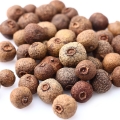
Allspice
A warm spice rack in a single note, smelling of clove, cinnamon, and nutmeg combined. It feels festive and warming, perfect for winter.

Kaempferia Galanga
Aromatic ginger. It smells spicy but also dusty and camphorous.

Bengal Pepper
Also known as Long Pepper, it is hotter and sweeter than black pepper. It has a complex, spicy-sweet aroma.
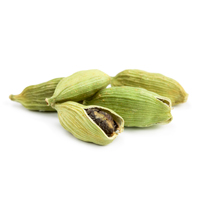
Cardamom
A duality of cool camphor and warm spice. It’s sophisticated and aromatic, often making a fragrance feel effortlessly expensive.

Green Coffee
Unroasted beans. They smell vegetal, pea-like, and grassy.

Spiked Pepper
Piper aduncum. Spicy and woody.
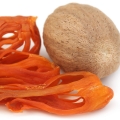
Mace
The outer covering of nutmeg. Smells similar but sweeter and softer.
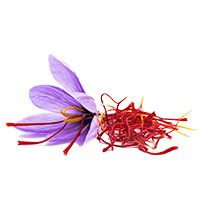
Saffron
Red gold. It smells leathery, metallic, and medicinal. The most expensive spice in the world.
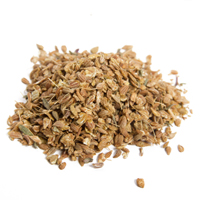
Anise
Sweet, spicy, and licorice-like. It adds a polarizing aromatic sweetness that cuts through warmer notes with a cool edge.
Galanga
Galangal (Thai Ginger). Smells like ginger but more citrusy, piney, and medicinal.

Curcuma (Turmeric)
Earthy, dusty, and slightly ginger-like. It adds a dry yellow spice note.
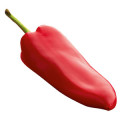
Pimento
Allspice berry. Clove, cinnamon, and nutmeg rolled into one.
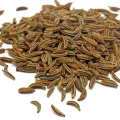
Caraway
Spicy, anise-like seeds often found in rye bread. It adds a savory, sharp aromatic quality.
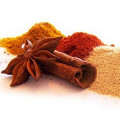
Oriental Notes
A genre of resins, spices, and vanilla. Warm, sensual, and heavy.

Biryani
A complex mix of savory spices including saffron, cardamom, and rice. It is a gourmand scent, but savory and dinner-like.

Coffee CO2
A photorealistic roasted coffee bean extract. It smells exactly like an espresso bar.
View All Spices NotesResins And Balsams
The ancient tears of trees, these materials have been burned in rituals for millennia and bring a sacred, meditative smoke to perfumery. They are thick, sticky, and profoundly complex, offering a sweet, leathery darkness that feels like a protective cloak against the cold.
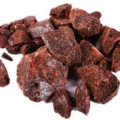
Dragon Blood Resin
A bright red resin that smells sweet, spicy, and slightly woody. It is lighter and cleaner than frankincense.
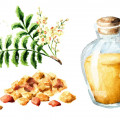
Balsamic Notes
A group of resinous materials like benzoin and myrrh that smell warm, sweet, and thick. They wrap a fragrance in a cozy amber blanket.
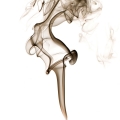
Incense
Smoke, resin, and ritual. It captures the cold, spiritual air of a cathedral or a temple.

Choya Ral
Roasted Sal tree resin. It smells leathery, smoky, and woody.
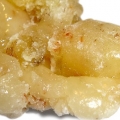
Elemi
A resin that smells surprisingly like lemon, pine, and pepper. It is bright and balsamic.

Olibanum (Frankincense)
Lemony, piney, and cold. It smells of high church mass and ancient rituals.

Mopane
African Balsam. Smells turpentine-like and woody.

Andiroba
An oil from the Amazon that smells woody, nutty, and slightly bitter. It adds a wild, unpolished texture to a fragrance.

Rubber
Burnt tires or latex. Industrial and dark.

Choya Nakh
Roasted seashells. It smells smoky, mineral, and oceanic.
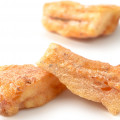
Styrax
Sweet, spicy, and leather-like resin. Smells of plastic and balsam.
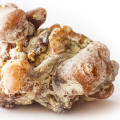
Copaiba Balm
A Brazilian resin that is sweet, woody, and slightly peppery. It acts as a fixative.
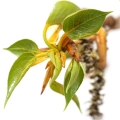
Poplar (Populus) Buds
Sticky buds smelling of balsam, honey, and propolis.
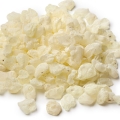
Mastic or Lentisque
A resin from the Mediterranean. Smells distinctively green, piney, and crisp.

Olibanum Sacra Resin Green
High-grade green frankincense. Smells brighter and more citrusy.

Pine Tar
Smoky, leathery, and dark. Smells of campfires and ships.

Choya Loban
Frankincense destructively distilled. It smells intensely smoky and resinous.
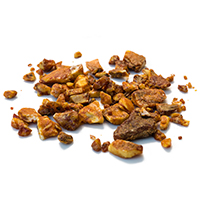
Benzoin
A comforting balsamic resin that smells of vanilla and cinnamon. It gives fragrances a cozy, almost edible warmth without being overly sugary.

Bisabolene
A terpene that smells balsamic, woody, and slightly citrusy. It is often found in myrrh and opoponax.
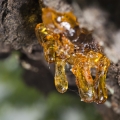
Amberwood
A sturdy blend of amber warmth and dry cedar-like woodiness. It acts as a strong pillar holding up the rest of the scent structure.
View All Resins And Balsams NotesCitrus
The sunshine of the fragrance world, these volatile oils provide the sparkling opening act that greets you the moment the mist hits the air. While they are fleeting by nature, their zesty, sour-sweet optimism is essential for lifting the heavier materials and preventing a perfume from feeling like a lead weight.
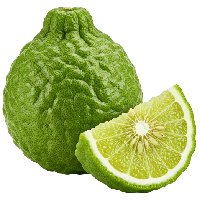
Bergamot
The finest of citruses, famous for giving Earl Grey tea its distinct aroma. It’s bitter, tart, and floral all at once—the perfect opening act.
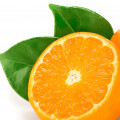
Mandora
A cross between mandarin and orange. Juicy and sweet.

Hatkora Lemon
A citrus used in Bengal. The thick rind smells incredibly oily and zest-heavy.

Rangpur
A lemon-mandarin hybrid. Very acidic and floral.
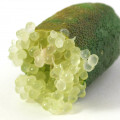
Finger Lime
Caviar lime. It smells incredibly sharp, zesty, and exploding with sourness.
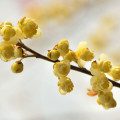
Litsea Cubeba
May Chang. An shrub that smells intensely like lemon sherbet sweets.
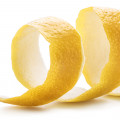
Lemon Zest
The oil from the peel. Bitter, shiny, and photorealistic.
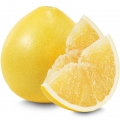
Grapefruit
Bitter, zesty, and slightly sulfurous. It is uplifting and distinctly modern.
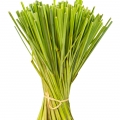
Lemongrass
Citronella-like and grassy. It smells sharp, herbal, and Thai.

Buddha's hand
A strange citrus fruit smelling of lemon zest and flowers without the juice. It is dry and aromatic.
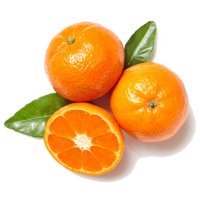
Mandarin Orange
Sweeter and less acidic than orange. It smells candy-like and joyous.

Rind Bergamot
The zest. Bitter and aromatic.
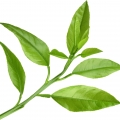
Grapefruit Leaf
Green and petitgrain-like. It adds a leafy bitterness.
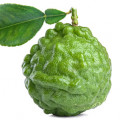
Kaffir Lime
Makrut lime. The leaves smell intensely sharp, green, and uniquely Thai cuisine-like.
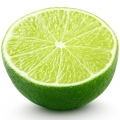
Lime
Sharper, drier, and more tropical than lemon. It has a distinct 'cola' nuance.

Palestinian Sweet Lime
Limetta. A mild, non-acidic citrus scent.

Pokan
Taiwanese mandarin. Sweet and loose-skinned.
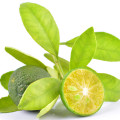
Calamansi
A Philippine lime that is tart, tangerine-like, and floral. It is a complex and exotic citrus.

Quenepa
Spanish Lime. Sour and jelly-like fruit.
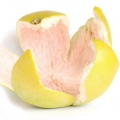
Methyl Pamplemousse
A synthetic grapefruit. Bitter, fresh, and slightly floral.
View All Citrus NotesAssorted
A curated cabinet of curiosities for the notes that defy our desire for neat little boxes, yet remain absolutely essential to the perfumer's palette. Here you will find the outliers and the individualists, ingredients that possess a character so distinct they refuse to sit quietly with the flowers or the fruits.

Hookah
Sweet, fruity tobacco smoke. Sticky and aromatic.

Jonquille
A type of narcissus. It smells heady, honeyed, and deep yellow, with a tobacco nuance.

Sweet Alyssum
Honey-scented flower.

Fog
Damp air, cold water, and earth. A mood rather than a distinct smell.

Forest Foliage
Green, decay, and moss. The smell of the woods floor.
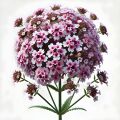
Vervain
Verbena. Lemony and herbal.

Canna flower
A tropical lily-like flower. It smells exotic and mild.

Nemophila
Baby Blue Eyes. Very mild floral.

Sorghum
Cereal grain. Smoky (in Baijiu) or sweet (syrup).

Umami
Savory taste. Broth-like and salty.

Mangrove Wood
Salty and woody. Evokes swamps and coasts.

Sweet Potato
Earthy and sweet tuber.
View All Assorted Notes