
The Olfactory Library
Welcome to the building blocks of the invisible art. If a perfume is a symphony, then these are the individual notes on the sheet music—the singular elements that the perfumer arranges to create a melody that lingers on your skin.
Whether you are here to understand why you adore Vetiver but detest Patchouli, or simply to find out what "Iso E Super" actually is, this library is your guide.
Categories
Florals
The undisputed heart of perfumery, ranging from the innocent whisper of a spring muguet to the narcotic, carnal shout of a tuberose. These notes provide the romance and the texture, proving that flowers are far too complex to be considered merely 'pretty'.

Alyssum
A honey-sweet flower scent that can be quite powerful. It smells like warm summer air filled with nectar.
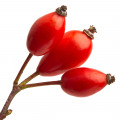
Rose Hip
The fruit of the rose. Tangy, red, and tea-like.

Azteca Lily
A striking red flower with a scent that is fresh and slightly spicy. It feels vibrant and Central American.
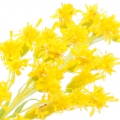
Goldenrod
Herbal, anise-like, and yellow. It smells like late summer fields.

Desert Rose
Not a true rose, but an Adenium. It has a faint, watery floral scent that feels resilient and clean.

French Marigold
Pungent and herbal. It smells stronger and earthier than other marigolds.

Daylily
A fleshy floral scent that is slightly melon-like. It feels waxy and sunny.

Fire Lily
A vibrant floral scent, spicy and warm.

Bird cherry
A flowering tree with a scent that is sweet, almond-like, and heady. It smells intense and slightly balsamic.
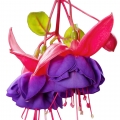
Fuchsia
A mostly scentless flower, represented as a green, slightly fruity floral.

Campion Flower
A mild wildflower scent. It evokes English hedgerows and countryside.

Great Burnet
A medicinal herb with a cucumber-like freshness.
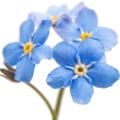
Forget Me Not
A very mild, green floral. Often a fantasy note of delicate spring air.

Kiwi blossom
A mild floral scent, similar to citrus blossoms but softer.

Costus
A root that smells like wet dog, hair, and violet. It is an old-school animalic fixative.
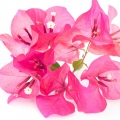
Bougainvillea
Paper-like flowers with a faint, dry scent. In perfume, it's often a fantasy note of fresh, green florals.

Chinotto blossom
The flower of the Myrtle-leaved orange tree. It smells like neroli with a darker twist.

Gladiolus
A faint floral scent. Usually just freshness and green stems.

Grapeflower
The flower of the grape vine. It smells intensely sweet and powdery.

Hellabore Flower
Winter rose. It has a subtle, earthy, and green scent.
View All Florals NotesFruits, Nuts & Savoury Notes
This is the scent of the orchard and the vegetable patch rather than the patisserie, capturing the crisp snap of an apple or the earthy grit of a carrot. These notes add a mouth-watering texture and vitality, bringing a sense of abundance and natural realism that prevents a fragrance from feeling too abstract.
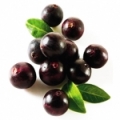
Acai Berry
A sharp, tart berry scent with a hint of dark chocolate bitterness. It smells vibrant and healthy, like a morning smoothie for the nose.

Beetroot
Deeply earthy, sweet, and dirt-like. It smells exactly like damp soil and adds a grounding, rooty quality.

Cassowary Fruit
A large plum-like fruit. It smells sweet and fleshy.

Red Mulberry
Sweet berry scent.

Salak
Snake Fruit. Crunchy, smelling of pineapple and apple.

Yuca Cassava
Starchy tuber. Mild and earthy.

Wolfberry
Goji. Tart and herbal.
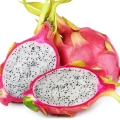
Pitahaya
Dragon fruit. Mild, watery, and melon-like.
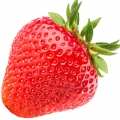
Strawberry
Sweet red berry. Often synthetic (candy-like) or green (wild).

Pumpkin
Creamy, earthy squash. Ideally not the spiced latte variety, but the vegetable itself.

Rambutan
Hairy fruit related to lychee. Sweet, woody, and floral.

Cyperus Scariosus
Nagarmotha/Cypriol. Smells woody, earthy, and spicy.

Bitter melon
Green, watery, and distinctly bitter. It adds a sharp, vegetal crunch that feels healthy and astringent.
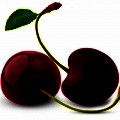
Black Cherry
Deep, dark, and sweet with an almond-like nuance. It is richer and more mysterious than red cherry.

Soybean
Beany and green. Edamame.
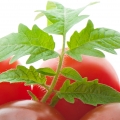
Tomato
Red fruit. Acidic and savory.
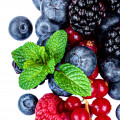
Forest Fruits
Mixed berries—blackberry, raspberry, blueberry. Juicy and dark.

White Grape
Sweet and juicy. Not wine-like.
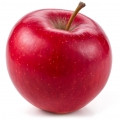
Apple Juice
Sweet, golden, and concentrated, lacking the tart skin of the fresh fruit. It adds a sugary, nostalgic fruitiness.

Santol
Cotton Fruit. Sweet and sour.
View All Fruits, Nuts & Savoury Notes NotesMusk, Amber, Animalic Smells
These are the sensual heavyweights that linger on the skin long after the citrus has fled, providing warmth, depth, and a certain human intimacy. From the cozy, golden glow of amber to the primitive, purring growl of civet, these notes transform a simple scent into a living, breathing entity.
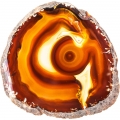
Ambrarome
An absolute that smells leathery, tar-like, and animalic with amber undertones. It adds a vintage, masculine grit to the base.

Skin
Salty, warm, and musky. The smell of a human being.

Meat
Raw or cooked flesh. Iron-like, savory, and primal.
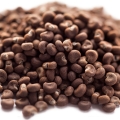
Ambrette (Musk Mallow)
A vegetal musk derived from seeds, smelling of pear brandy and clean skin. It is one of the few natural musks and feels incredibly sophisticated.
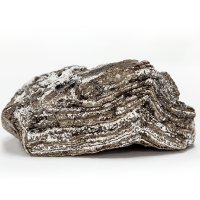
Ambergris
The gold standard of fixatives, smelling of salty skin and warm ocean air. It possesses a magical ability to make a fragrance shimmer and last forever.
Sylkolide
A refined musk. Fruity and powdery.

Ambrostar
A modern captive molecule that offers a dry, vibrant woody-amber effect. It helps a fragrance lift off the skin and sparkle.
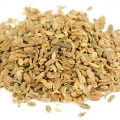
Carrot Seeds
Dry, woody, and earthy. It acts as a bridge between iris notes and woods.

Animal Notes
A catch-all for smells that are furry, warm, and slightly dirty. They add a carnal, living breath to a perfume that makes it sexy.

Starfish
Marine animal. Salty and fleshy.

Bacon
Smoky, salty, and meaty—a novelty note for the brave. It adds a savory, breakfast-time shock to a composition.

Hyraceum
Fossilized Hyrax droppings. Sounds dreadful, smells amazing: leathery, musky, and earthy (and cruelty-free).

Ambretone
A sweet, musky amber note that is very diffusive. It creates a soft, radiant aura around the wearer.

Skatole
Fecal in high concentration, floral (white flower) in low. Essential for realistic jasmine.
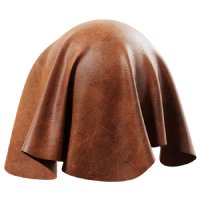
Leather
Tanned hide, birch tar, and smoke. Whether harsh or soft, it adds a distinct skin-like toughness.

Goat Hair
Animalic, musky, and distinctly barnyard. It adds a feral, rustic warmth.

Kyphi
Ancient Egyptian incense recipe. Smells of wine, raisins, honey, and resins.

Saffiano Leather
A specific textured leather print (Prada). Smells clean, synthetic, and expensive.

Muscone
The main component of natural deer musk. Smells warm, erotic, and radiant.

Suede
Soft leather. Musky, velvety, and skin-like.
View All Musk, Amber, Animalic Smells NotesBeverages
Whether it is the effervescent joy of champagne, the roasted bitterness of espresso, or the warming embrace of a good cognac, these notes add a distinct 'flavour' to the air. They invoke specific moods and social rituals, taking the wearer from a morning café to a dimly lit jazz bar in a single spritz.

Red Wine
Tannins, grapes, and alcohol. A dark, staining scent.

Madeira
Fortified wine. Smells oxidized, nutty, and caramelized.

Fruit Tea
Dried fruits steeped in hot water. Sweet, tart, and comforting.

Campari
Bitter herbal liqueur. It smells medicinal, citrusy, and red.

Advocaat
A rich, creamy liqueur scent smelling of vanilla, brandy, and custard. It is thick and indulgent, adding a boozy sweetness to the mix.
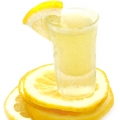
Limoncello
Italian lemon liqueur. Intense, sweet lemon zest and alcohol.
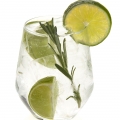
Gin
Juniper berries and alcohol. Sharp, piney, and clean.

Cocktail Fruits
Canned fruit salad. Syrupy, mixed fruitiness.
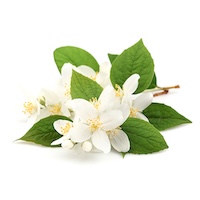
Jasmine Tea
Green tea infused with jasmine blossoms. It smells steamy, floral, and soothing.

Root Beer
Sassafras and wintergreen. Medicinal and sweet.

Daiquiri
Lime, rum, and sugar. It creates a zesty, sweet, and boozy accord that smells like a summer holiday.
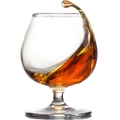
Cognac
Aged grape brandy. It smells warm, fruity, woody, and expensive.

Kir Royal
Champagne and crème de cassis. Fizzy, berry-sweet, and chic.

Wine must
Freshly crushed grape juice. Sweet and raw.

Plum Wine
Japanese plum wine. Sweet, sour, and almondy.

Tequila
Agave spirit. Earthy, alcoholic, and weird.

Vinegar
Acetic acid. Sour and pungent.

Kava Drink
Earthy, muddy, and pepper-like. It smells distinctly rooty.

Port Wine
Sweet fortified wine. Fruity, heavy, and aged.

Buttermilk
Sour, creamy, and tangy. It adds a fermented lactic quality that cuts sweetness.
View All Beverages NotesMolecules, Minerals & Curiosities
This is the avant-garde laboratory of the perfumer, featuring everything from the smell of hot rain on asphalt to the invisible radiance of Iso E Super. These notes are often less about a specific 'smell' and more about a texture, a feeling, or an atmospheric vibration that gives modern fragrances their edge.

Fabric
The smell of cotton, wool, or linen. Usually a musk accord evoking laundry.

Concrete
Wet pavement smell. It is mineral, grey, and urban.

Cigarette
Unburnt tobacco and paper, or ash. It adds a gritty, noir vibe.

Cashalox
A synthetic musk that smells clean and slightly powdery. It adds softness.

Lorenox
A synthetic woody-amber. It smells leathery and aromatic.

Hexyl Acetate
A chemical smelling of pear and apple. Fruity and solvent-like.

Javanol
A super-powerful synthetic sandalwood. It smells creamy, metallic, and rosy, and lasts for days.

Ethyl Maltol
The smell of cotton candy and burnt sugar. It is the engine behind many blockbuster gourmands.
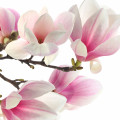
Magnolan
A synthetic smelling of magnolia and geranium. Fresh and grapefruit-like.

Aqual™
A modern aldehyde that smells of fresh water and clean air. It creates a sparkling, lifting effect in the opening.

Cyclopidene
A synthetic note smelling of tuberose and ylang-ylang. It adds floral power.

Cuban Cigar
Fine tobacco leaves. Smells earthy, sweet, and luxurious.
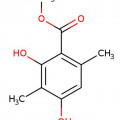
Evernyl
A synthetic oakmoss substitute. It smells mossy, dry, and mineral, essential for modern chypres.

Flour
Dusty, starchy, and white. It evokes baking or makeup powder.

Caoutchouc
Raw rubber. It smells latex-like, green, and industrial.

White Leather
Clean, soft leather. Less smoky than black leather.

Pearls
A fantasy texture. Cool, calcium-rich, and smooth.

Lilybelle®
A biodegradable synthetic Lily of the Valley. Fresh, green, and floral.

CO2 Extracts
A method of extraction that produces hyper-realistic scents. They smell exactly like the raw material.

Nympheal™
A synthetic lily-of-the-valley. Fresh and watery.
View All Molecules, Minerals & Curiosities NotesGourmand
An unapologetically hedonistic category dedicated to the pleasures of the patisserie, featuring dripping caramel, fluffy cotton candy, and rich chocolate. While purists may scoff, there is a profound, primal comfort in these sugary notes that bypasses the brain and goes straight to the stomach—and the heart.
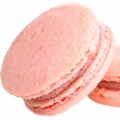
Macarons
Almond meringue cookies. Sugary, nutty, and airy.

Pudding
Creamy dessert. Vanilla and milk.
Custard
Egg yolks, milk, and vanilla. Thick, creamy comfort.
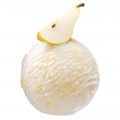
Pear Ice Cream
Cold, creamy fruit. A sorbet-like freshness.
Marshmallow
Powdery vanilla and sugar. Soft, fluffy, and sweet.
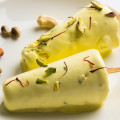
Kulfi
Indian ice cream. Dense, milky, and flavored with cardamom, saffron, and pistachio.

Pistachio Spread Cream
Intensely sweet, oily pistachio paste.
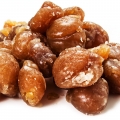
Marron Glacé
Candied chestnut. Vanilla, sugar, and nutty puree.

Milky Coffee
Latte. Coffee softened by dairy.

Milk Mousse
Whipped milk. Airy and sweet.

Toast
Burnt bread. Pyrazines.
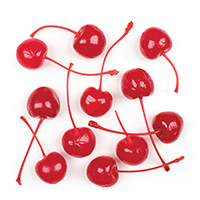
Maraschino Cherry
Bright red, almondy, and artificial. The smell of a cocktail garnish.
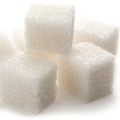
Sugar
Pure sweetness. No flavor, just taste.

Donut or Doughnut
Fried dough and sugar glaze. It smells oily, sweet, and comforting.

Banana Bread
Warm, spicy, and yeasty with the sweetness of ripe bananas. It’s pure comfort food for the nose.

Griotte Cherries
Morello cherries. Sour, dark, and often used in baking.
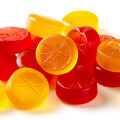
Gummy Candies
Artificial fruit and gelatin. Playful and sweet.
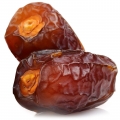
Dates
Sticky, honeyed fruit with a dense, sugary profile. It evokes the warmth and richness of the Middle East.
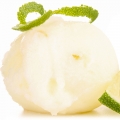
Sorbet
Fruit ice. Cold and sweet.
Gourmand Accord
A blend smelling of edible treats—vanilla, caramel, chocolate. Dessert for the nose.
View All Gourmand NotesWoods & Earth
The stoic backbone of fragrance, grounding the flightier notes with the scent of ancient trunks, dry bark, and the damp, shadowed floor of the forest. Ranging from the creamy spirituality of sandalwood to the dry, pencil-shaving snap of cedar, these notes provide structure, longevity, and a timeless elegance.

Australian Blue Cypress
A unique cypress oil that is blue in color and smells woody, smoky, and honeyed. It is complex and smoother than pine.

Sawdust
Freshly cut wood. Dry and powdery.

Tamboti Wood
African Sandalwood. Creamy and spicy.
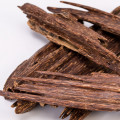
Thailand Oud
Often sweeter and softer oud.
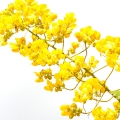
Siam
Thai wood. Resinous and warm.
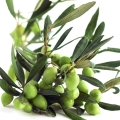
Olive Tree
Woody and oily. Ancient and gnarled.

Malaysian Oud
Often sweeter and spicier than Indian oud. Can have cola nuances.

Kowhai
New Zealand's national flower. It smells earthy and nectar-like.

Pepperwood or Hercules Club
A spicy, aromatic wood scent.

Kyara wood
The highest grade of Oud. It smells complex, spiritual, honeyed, and absolutely priceless.

Pamplewood
A synthetic note blending grapefruit (pamplemousse) and wood. Bitter and fresh.

Takamaka
Resinous tropical wood.
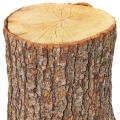
Oak
The wood itself. Smells of barrels, tannins, and dry vanilla.

Thanaka Wood
Burmese cosmetic wood. Sandalwood-like.

Plum Tree
Woody and fruity.

Buddha Wood
An Australian wood also known as False Sandalwood. It smells woody, smoky, and rose-like.
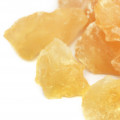
Amyris
Often called 'West Indian Sandalwood,' it is woody but slightly balsamic and oily. It’s a reliable workhorse wood that smells creamy and resinous.

Dark Patchouli
Aged and intense, smelling of wet earth, camphor, and dark cellars. It is the heavy, hippie-chic version of the leaf.

Neem
Bitter, garlicky, and nutty. Usually medicinal.
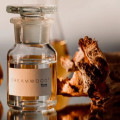
Dreamwood
A sustainable sandalwood alternative from biotechnology. It smells creamy, milky, and warm.
View All Woods & Earth NotesWhite Flowers
A distinct league of floral powerhouses including Tuberose, Jasmine, and Gardenia, known for their creamy, narcotic heaviness that often intensifies as the sun goes down. Unlike their shy daylight cousins, these blooms possess a carnal, indolic undertone—a whisper of animalic warmth amidst the sweetness—that makes them unapologetically sensual and dominating.

Tangerine Blossom
Sweet white floral.

Mandarin Orange Blossom
Floral and honeyed.
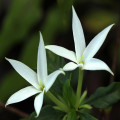
Karo-Karounde
An African flower smelling of jasmine, chocolate, and spices. It is rich and dark.
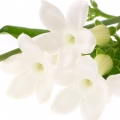
Stephanotis
Madagascar Jasmine. Waxy, sweet, and bridal.

Melati
Indonesian Jasmine. Sweet and tea-like.
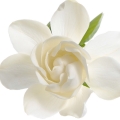
Gardenia
Heady, creamy white floral with a distinct mushroomy or blue cheese undertone. It is lush and narcotic.
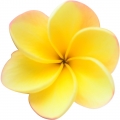
Frangipani
Plumeria. Thick, creamy, and tropical, smelling of almonds and fruit. It is the scent of a holiday.
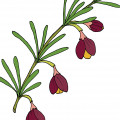
Boronia
A rare Australian flower with a complex scent of fruit, wood, and violet. It is expensive and highly prized.
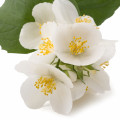
Syringa
Lilac. Sweet and fresh.
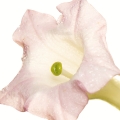
White Tobacco
Nicotiana flower. Sweet and jasmine-like.

Jasmine
The King of Flowers. It can smell fresh and tea-like or heavy, animalic, and narcotic depending on the variety.

Moon Flower
Ipomoea alba. A night-blooming vine smelling sweet and musky.
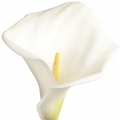
Arum Lily
A fleshy white floral scent that can be slightly animalic. It smells grand and imposing, like a wedding bouquet.
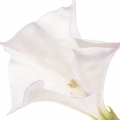
Datura
A poisonous flower with a narcotic, almond-like floral scent. It smells dangerous, heavy, and hypnotic.
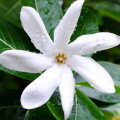
Tiare Flower
Tahitian Gardenia. Creamy, tropical, and sweet.
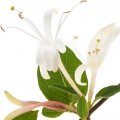
Honeysuckle
Nectar-heavy, sunny, and sweet. It captures the smell of warm summer evenings perfectly.
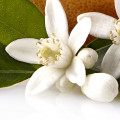
Grapefruit Blossom
Like neroli but sharper. Floral with a bitter citrus edge.
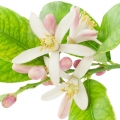
Lemon Blossom
Waxy white floral with a citrus edge. Fresh and pretty.
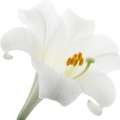
Lily
Spicy, waxy, and heady. It smells regal and sometimes slightly salty/meaty.
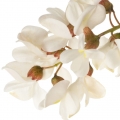
Black Locust
A tree with white flowers that smell intensely sweet and honeyed, similar to orange blossom but heavier.
View All White Flowers NotesBotanicals & Aromatics
This is the scent of the apothecary’s garden and the gentleman’s barber, full of crushed leaves, bracing mint, and the calming herbaceousness of lavender. These notes cut through heat and heaviness with a savory, green clarity that feels restorative, intelligent, and famously spirited.

Yunnan Red Tea
Black tea. Smoky, malty, and honeyed.
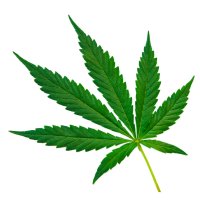
Cannabis
Dank, green, and herbaceous. It adds a rebellious, skunky edge to fragrances.

Duck Poo Oolong
Dan Cong tea (the name is a myth, luckily). It smells floral, honeyed, and distinctly like orchids.

Carnation Leaves
Green and slightly grassy, lacking the clove spice of the flower.

Flouve
Sweet Vernal Grass. Rich in coumarin, smelling of hay and tobacco.
Green Notes
A category for crushed leaves, grass, and stems. Fresh and vibrant.

Agave
Sweet, green, and succulent with a slight hint of earth. It brings a watery, vegetal freshness reminiscent of aloe but sweeter.

Lapsang Souchong Tea
Tea smoked over pinewood. It smells strongly of campfire, leather, and smoke.

Keemun Tea
A Chinese black tea with a wine-like, fruity, and smoky aroma.

Blackberry Leaf
Green, earthy, and slightly tart. It smells like the bush rather than the berry, adding a natural roughness.

Chaparral
The smell of the desert after rain. Creosote bush releases a distinct tarry, herbal scent.

Cherry Leaf
Green and slightly bitter. It smells like the tree rather than the fruit.

Bigarane™
A synthetic that smells like petitgrain and green leaves. It adds a natural, leafy freshness to citrus accords.
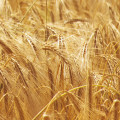
Barley
Cereal-like, roasted, and nutty. It adds a savory, grainy warmth that feels wholesome and comforting.
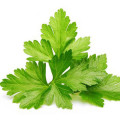
Cilantro
The leaves of coriander. It smells soapy, metallic, and green.
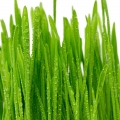
Grass
Freshly cut lawn. Green, sweet, and chlorophyll-heavy.

Crithmum
Rock Samphire. It smells aromatic, salty, and like lemon oil.

Green Forest
A fantasy accord of pine, moss, and leaves. Fresh and shady.

Snake Plant
Sansevieria. Green and dry.

Wild garlic leaf
Ramsons. Onion-like and green.
View All Botanicals & Aromatics NotesSpices
These ingredients bring the heat and the vibration, adding a three-dimensional hum to a composition that tickles the nose and wakes up the palate. From the cooling, camphorous touch of cardamom to the fiery crackle of black pepper, spices prevent a fragrance from ever feeling flat or boring.
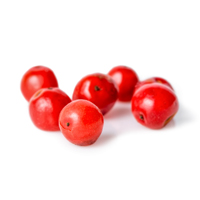
Pink Pepper
Not a true pepper, but a berry. It smells rosy, sparkling, and like gin.
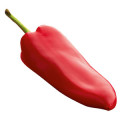
Pimento
Allspice berry. Clove, cinnamon, and nutmeg rolled into one.
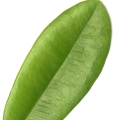
West Indian Bay
Pimenta racemosa. Clove-like and spicy (Bay Rum).
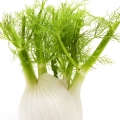
Fennel
Sweet, green anise flavor. It adds a cool, herbal licorice note.
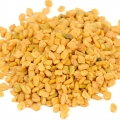
Fenugreek
Maple syrup and curry powder. It is spicy, sweet, and savory all at once.

Clove Leaf
Smells like cloves but woodier and greener. It is drier than the bud.
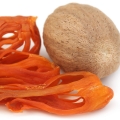
Mace
The outer covering of nutmeg. Smells similar but sweeter and softer.

Green Coffee
Unroasted beans. They smell vegetal, pea-like, and grassy.
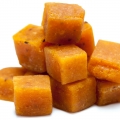
Asafoetida
Pungent and sulfurous when raw, but savory like onions when cooked. In perfume, it adds a weird, compelling earthy spice.
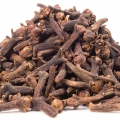
Cloves
Intense, hot, and numbing spice. It contains high levels of Eugenol and smells medicinal and warm.
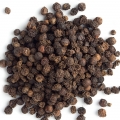
Pepper
Black pepper. Sharp, hot, and sneezing-dry. It adds a masculine vibration.
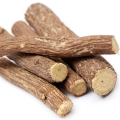
Licorice
Sweet, black, and anise-like. It adds a dark, polarizing gourmand twist.
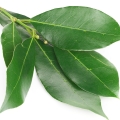
Bay Leaf
Dry, herbal, and aromatic, often used in cooking. In perfume, it adds a savory, leafy crispness.
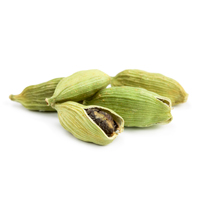
Cardamom
A duality of cool camphor and warm spice. It’s sophisticated and aromatic, often making a fragrance feel effortlessly expensive.

Mustard Seed
Pungent and sharp. Adds a biting heat.
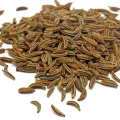
Caraway
Spicy, anise-like seeds often found in rye bread. It adds a savory, sharp aromatic quality.

Carolina Reaper
The hottest chili pepper. In perfume, it adds an aggressive, tingling heat.
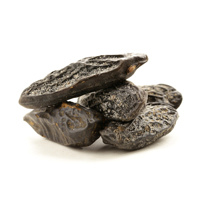
Tonka Bean
The scent of coumarin—vanilla, almond, hay, and tobacco rolled into one.

Ginger
Fresh, spicy, and lemony. It adds a fizzy, energetic heat to the top notes.

Chutney
Spiced fruit relish. It smells savory, sweet, and vinegary.
View All Spices NotesResins And Balsams
The ancient tears of trees, these materials have been burned in rituals for millennia and bring a sacred, meditative smoke to perfumery. They are thick, sticky, and profoundly complex, offering a sweet, leathery darkness that feels like a protective cloak against the cold.
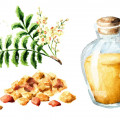
Balsamic Notes
A group of resinous materials like benzoin and myrrh that smell warm, sweet, and thick. They wrap a fragrance in a cozy amber blanket.

Bisabolene
A terpene that smells balsamic, woody, and slightly citrusy. It is often found in myrrh and opoponax.
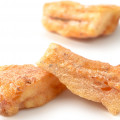
Styrax
Sweet, spicy, and leather-like resin. Smells of plastic and balsam.
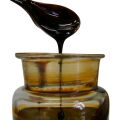
Peru Balsam
Rich, sweet, and vanilla-like resin. It acts as a fixative and smooths everything out.

Mopane
African Balsam. Smells turpentine-like and woody.

Myrica
Bayberry. Smells spicy, waxy, and balsamic.
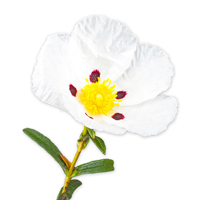
Labdanum
The cornerstone of amber accords. It smells leathery, sweet, dirty, and warm all at once.

Gurjun Balsam
A resin smelling woody, peppery, and dry. Often used to adulterate patchouli, but lovely on its own.
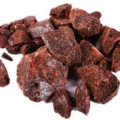
Dragon Blood Resin
A bright red resin that smells sweet, spicy, and slightly woody. It is lighter and cleaner than frankincense.
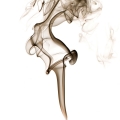
Incense
Smoke, resin, and ritual. It captures the cold, spiritual air of a cathedral or a temple.
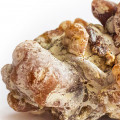
Copahu Balm
Copaiba balsam. It smells woody, spicy, and mild.

Rubber
Burnt tires or latex. Industrial and dark.

Surf Wax
Coconut and paraffin. Beachy.

Coal Tar
Pungent, medicinal, and asphalt-like. It smells like fresh pavement.

Olibanum Sacra Resin Green
High-grade green frankincense. Smells brighter and more citrusy.
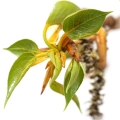
Poplar (Populus) Buds
Sticky buds smelling of balsam, honey, and propolis.

Nag Champa
Incense sticks. Sandalwood and Frangipani. Sweet and hippie.
Birch Tar
The concentrated essence of smoke and leather derived from birch. It is intensely phenolic, smelling like a bonfire.
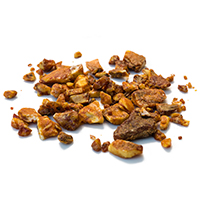
Benzoin
A comforting balsamic resin that smells of vanilla and cinnamon. It gives fragrances a cozy, almost edible warmth without being overly sugary.

Bakhoor
Wood chips soaked in perfume oil and burned, creating a smoky, fragrant cloud. It smells traditional, Middle Eastern, and welcoming.
View All Resins And Balsams NotesCitrus
The sunshine of the fragrance world, these volatile oils provide the sparkling opening act that greets you the moment the mist hits the air. While they are fleeting by nature, their zesty, sour-sweet optimism is essential for lifting the heavier materials and preventing a perfume from feeling like a lead weight.
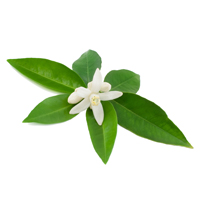
Neroli
Steam-distilled orange blossom. It smells green, soapy, bitter, and exquisitely fresh.
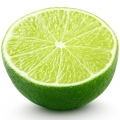
Lime
Sharper, drier, and more tropical than lemon. It has a distinct 'cola' nuance.
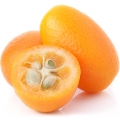
Kumquat
Sour orange. It smells sharper and more bitter than a sweet orange.
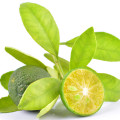
Calamansi
A Philippine lime that is tart, tangerine-like, and floral. It is a complex and exotic citrus.
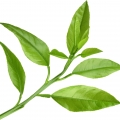
Grapefruit Leaf
Green and petitgrain-like. It adds a leafy bitterness.
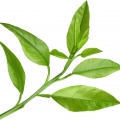
Petitgrain
Distilled twigs of the bitter orange tree. Green, woody, and sharp—a cologne staple.
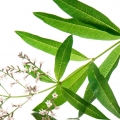
Lemon Verbena
Verveine. Herbal, fresh, and distinctly lemony without the acid.
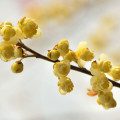
Litsea Cubeba
May Chang. An shrub that smells intensely like lemon sherbet sweets.

Sudachi citrus
Japanese citrus. Sour and spicy like lime.
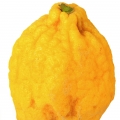
Citron
A large, ancient citrus fruit. It smells dry, zesty, and less sweet than lemon.
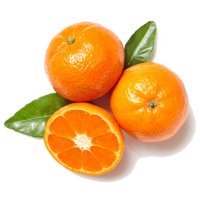
Mandarin Orange
Sweeter and less acidic than orange. It smells candy-like and joyous.
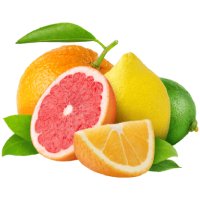
Citruses
A general category for Hesperidic notes (lemon, orange, etc.). They are volatile, fresh, and uplifting.
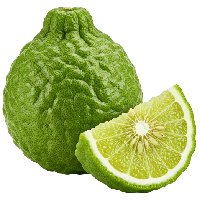
Bergamot
The finest of citruses, famous for giving Earl Grey tea its distinct aroma. It’s bitter, tart, and floral all at once—the perfect opening act.
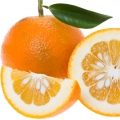
Bitter Orange
Zesty and sharp, lacking the sugar of sweet oranges. It provides a refreshing, adult citrus note.

Lemon Myrtle
An Australian leaf that smells 'more lemon than lemon.' Clean and sweet.

Citrus Japonica
Kumquat. It smells tart and sweet.

Tangelo
Tangerine-Grapefruit hybrid. Sweet and tart.

Candied Lemon
Lemon peel boiled in syrup. It is sweet and tart, without the sharp bitterness of fresh rind.

Tangerine Zest
Oily orange peel scent.
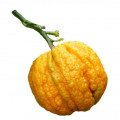
Bigarade
Another name for Bitter Orange. It is sharp, zesty, and less sweet than regular orange, adding a sophisticated tartness.
View All Citrus NotesAssorted
A curated cabinet of curiosities for the notes that defy our desire for neat little boxes, yet remain absolutely essential to the perfumer's palette. Here you will find the outliers and the individualists, ingredients that possess a character so distinct they refuse to sit quietly with the flowers or the fruits.

Mangrove Wood
Salty and woody. Evokes swamps and coasts.
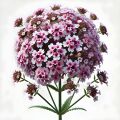
Vervain
Verbena. Lemony and herbal.

Canna flower
A tropical lily-like flower. It smells exotic and mild.

Sweet Potato
Earthy and sweet tuber.

Hookah
Sweet, fruity tobacco smoke. Sticky and aromatic.

Umami
Savory taste. Broth-like and salty.

Forest Foliage
Green, decay, and moss. The smell of the woods floor.

Fog
Damp air, cold water, and earth. A mood rather than a distinct smell.

Nemophila
Baby Blue Eyes. Very mild floral.

Sorghum
Cereal grain. Smoky (in Baijiu) or sweet (syrup).

Sweet Alyssum
Honey-scented flower.

Jonquille
A type of narcissus. It smells heady, honeyed, and deep yellow, with a tobacco nuance.
View All Assorted Notes