
The Olfactory Library
Welcome to the building blocks of the invisible art. If a perfume is a symphony, then these are the individual notes on the sheet music—the singular elements that the perfumer arranges to create a melody that lingers on your skin.
Whether you are here to understand why you adore Vetiver but detest Patchouli, or simply to find out what "Iso E Super" actually is, this library is your guide.
Categories
Florals
The undisputed heart of perfumery, ranging from the innocent whisper of a spring muguet to the narcotic, carnal shout of a tuberose. These notes provide the romance and the texture, proving that flowers are far too complex to be considered merely 'pretty'.

Kiwi blossom
A mild floral scent, similar to citrus blossoms but softer.

Wallflower
Erysimum. Honeyed and spicy floral.
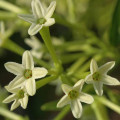
Night Blooming Jasmine
Cestrum nocturnum. Intensely sweet, green, and powerful.

Lupin
Peppery and floral. Smells like a sweet pea but spicier.

Malva
Mallow. A very mild, musky floral scent.

Nard
Spikenard. Earthy, musky, and herbal.
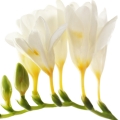
Freesia
Peppery and fresh. It adds a sparkling, high-pitched floral energy.
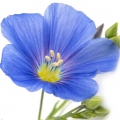
Flax
Linseed. It smells nutty, oily, and grainy.
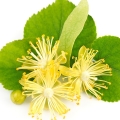
Lime (Linden) Blossom
Tilia. It smells distinctively of honey, hay, and lemon. A warm, sunny floral.

Melilotus
Same as above.

Eglantine Rose
Sweet Briar Rose. The foliage smells distinctively of green apples.
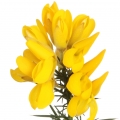
Gorse
A yellow shrub that famously smells of coconut and warm skin. It is the scent of British coastlines.
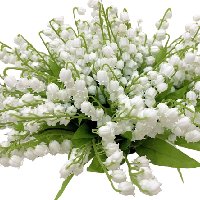
Lily-of-the-Valley
Muguet. A tiny bell flower with a piercingly fresh, soapy green scent. It defines spring.
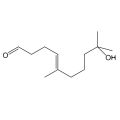
Mahonial
A synthetic floral. Smells like muguet and magnolia, very persistent.

French Marigold
Pungent and herbal. It smells stronger and earthier than other marigolds.

Dried Rose
Potpourri-like, dusty, and nostalgic. It smells darker and more muted than a fresh bloom.
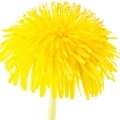
Dandelion
Bitter, green, and sappy with a hint of pollen. It captures the essence of pulling weeds in a sunlit garden.
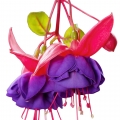
Fuchsia
A mostly scentless flower, represented as a green, slightly fruity floral.

Litchi Blossom
Floral and slightly honeyed.

Magnolia Leaf
Green and waxy.
View All Florals NotesFruits, Nuts & Savoury Notes
This is the scent of the orchard and the vegetable patch rather than the patisserie, capturing the crisp snap of an apple or the earthy grit of a carrot. These notes add a mouth-watering texture and vitality, bringing a sense of abundance and natural realism that prevents a fragrance from feeling too abstract.

Blackthorn
The shrub that produces sloes, smelling woody and sharp. It has a hedgerow toughness to it.

Tucumã
Amazonian palm fruit. Oily and sweet.

Mung Bean
Starchy and green. Used in Asian desserts.
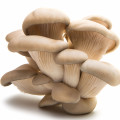
Mushroom
Earthy, fungal, and damp. Smells like soil and forest floors.
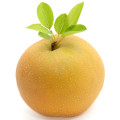
Nashi Pear
Asian Pear. Crisp, watery, and very fresh.
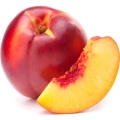
Nectarine
Peach without the fuzz. Juicy, sweet, and smooth.

Pitanga
Surinam Cherry. Tart, red, and tropical.

Prickly Pear
Cactus fruit. Watery, sweet, and melon-like.
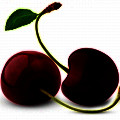
Black Cherry
Deep, dark, and sweet with an almond-like nuance. It is richer and more mysterious than red cherry.
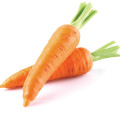
Carrot
Sweet, rooty, and earthy. It smells remarkably like iris root (orris) and is used to enhance it.
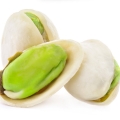
Pistachio
Nutty, green, and creamy. It often has an almond/cherry nuance.
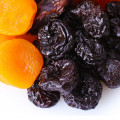
Dried Fruits
A sticky mix of raisins, dates, and figs. It adds a rich, boozy sweetness to oriental perfumes.

Mamey
Sapote. Creamy, pumpkin-like, and almondy fruit.
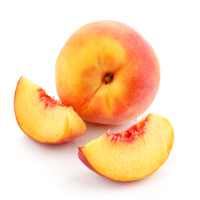
Peach
Velvety skin and lactonic flesh. A classic note that ranges from fresh nectar to the iconic Mitsouko chypre style.
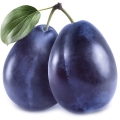
Plum
Dark, juicy, and sensual. It adds a velvet texture to chypres and orientals.
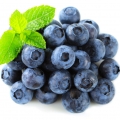
Blueberry
Sweet, tart, and slightly spicy. It adds a dark blue fruitiness that isn't as jammy as blackberry.
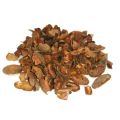
cocoa shell
The outer husk of the bean. It smells like dry, dusty chocolate.

Longan Berries
Dragon Eye fruit. Smells musky, sweet, and floral.
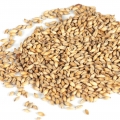
Malt
Roasted barley. Smells like beer, whiskey, or ovaltine. Toasty and sweet.

Marian Plum
Maprang. A mango-plum hybrid scent.
View All Fruits, Nuts & Savoury Notes NotesMusk, Amber, Animalic Smells
These are the sensual heavyweights that linger on the skin long after the citrus has fled, providing warmth, depth, and a certain human intimacy. From the cozy, golden glow of amber to the primitive, purring growl of civet, these notes transform a simple scent into a living, breathing entity.

Habanolide®
A synthetic musk with a metallic, hot-iron undertone. It smells clean and waxy.

Akashic Acord
A fantasy concept note meant to evoke the ether or spiritual archives. Usually smells airy, mineral, and impossible to pin down.

Suede
Soft leather. Musky, velvety, and skin-like.
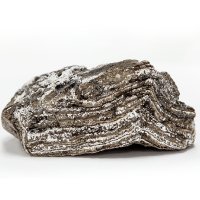
Ambergris
The gold standard of fixatives, smelling of salty skin and warm ocean air. It possesses a magical ability to make a fragrance shimmer and last forever.

Kyphi
Ancient Egyptian incense recipe. Smells of wine, raisins, honey, and resins.

Sea Shells
Calcium and salt. Dry mineral scent.

Ambrocenide (Symrise)
A powerhouse woody-amber synthetic that is extremely long-lasting. It provides a sharp, agarwood-like dryness to the base.
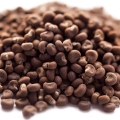
Ambrette (Musk Mallow)
A vegetal musk derived from seeds, smelling of pear brandy and clean skin. It is one of the few natural musks and feels incredibly sophisticated.

Ambretone
A sweet, musky amber note that is very diffusive. It creates a soft, radiant aura around the wearer.
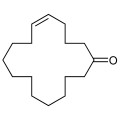
Velvione™
Powdery musk. Similar to Ambrette.

Castoreum
Intensely leathery and animalic, smelling of ink and musk. It provides a dark, vintage sensuality that is certainly not for the faint of heart.

Civettone
A synthetic musk that replicates the warmth of civet without the cruelty or fecal edge. It is velvety and smooth.

Amber
A fantasy accord that wraps you up like a cashmere throw. It’s warm, resinous, and vanillic, providing a golden glow to the dry-down.
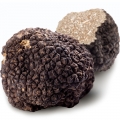
Truffle
Fungus not chocolate. Earthy, musky, and savory.
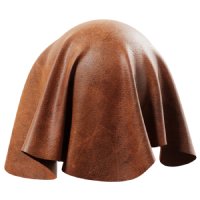
Leather
Tanned hide, birch tar, and smoke. Whether harsh or soft, it adds a distinct skin-like toughness.

Animal Notes
A catch-all for smells that are furry, warm, and slightly dirty. They add a carnal, living breath to a perfume that makes it sexy.
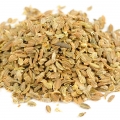
Carrot Seeds
Dry, woody, and earthy. It acts as a bridge between iris notes and woods.

Saffiano Leather
A specific textured leather print (Prada). Smells clean, synthetic, and expensive.

Fur
Warm, oily, and animalic. It smells like a sleeping cat or a vintage coat.
Sylkolide
A refined musk. Fruity and powdery.
View All Musk, Amber, Animalic Smells NotesBeverages
Whether it is the effervescent joy of champagne, the roasted bitterness of espresso, or the warming embrace of a good cognac, these notes add a distinct 'flavour' to the air. They invoke specific moods and social rituals, taking the wearer from a morning café to a dimly lit jazz bar in a single spritz.

Pisco Sour Cocktail
Grape brandy, lime, and egg white. Tart and boozy.

Sparkling Water
Carbon dioxide bubbles. Sharp nose feel.

Syrup
Sugar water. Thick and sweet.

Vodka
Pure alcohol and water. Smells cold and sterile.

Blackcurrant Juice
Sweet, syrupy, and intensely fruity. It smells like Ribena, bringing a nostalgic, thirst-quenching vibe.

Moonshine
Corn whiskey. Raw, harsh alcohol scent.

Caipirinha
Lime, sugar, and cachaça. It smells zesty, sweet, and spirited.

Cosmopolitan Cocktail
Vodka, cranberry, and lime. Tart, fruity, and energetic.

Plum Wine
Japanese plum wine. Sweet, sour, and almondy.

Mojito
Mint, lime, rum, and sugar. Fresh and zesty.
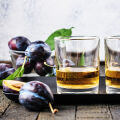
Plum Liquor
Sweet, boozy fruit. Like Umeshu.

Beer
Yeasty, malty, and slightly fizzy. It brings a casual, pub-like atmosphere that is strangely comforting.

Campari
Bitter herbal liqueur. It smells medicinal, citrusy, and red.

Raki
Turkish anise spirit. Smells of licorice and grapes.
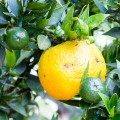
Chinotto
Italian soda made from bitter orange. It smells dark, cola-like, and citrusy.

Cream Soda
Vanilla, fizzy water, and sugar. It smells frothy and sweet.

Cachaça
Brazilian sugarcane spirit. It smells sweet, vegetal, and funky, different from rum.

Daiquiri
Lime, rum, and sugar. It creates a zesty, sweet, and boozy accord that smells like a summer holiday.

Umeshu
Plum wine. Sweet and sour.

Red Wine
Tannins, grapes, and alcohol. A dark, staining scent.
View All Beverages NotesMolecules, Minerals & Curiosities
This is the avant-garde laboratory of the perfumer, featuring everything from the smell of hot rain on asphalt to the invisible radiance of Iso E Super. These notes are often less about a specific 'smell' and more about a texture, a feeling, or an atmospheric vibration that gives modern fragrances their edge.

Timberol
High-impact woody amber synthetic.

Coral Limestone
A mineral accord. Smells chalky, marine, and dry.

Guaiacol
Smoky, spicy, and vanilla-like chemical. It gives smoked meats and whisky their scent.

Aquozone
A marine molecule that smells remarkably like sea breeze and ozone. It gives fragrances a wet, rainy-day feeling.

Earth Tincture
The smell of freshly turned soil. Rich, dark, and full of geosmin.
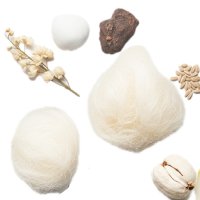
Cashmeran
A complex synthetic smelling of wet concrete, musk, and spicy wood. It feels like wrapping yourself in wool.

Gasoline
Chemical, sweet, and volatile. It adds an industrial, addictive edge.

Candle Wax
Paraffin or beeswax scent. It smells waxy, fatty, and faintly smoky.

Galaxolide
The quintessential 'clean laundry' musk. It is floral, woody, and intensely soapy.
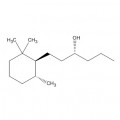
Norlimbanol™
A powerful dry wood synthetic. Smells dusty and animalic.

Coal Tar Pitch
Even denser and darker than coal tar. Deeply industrial.

Motor Oil
Petroleum and grease. Dirty, mechanical, and heavy.

Clarycet
A synthetic smelling of sage and fruit. It is herbal and wine-like.

Cinnamaldehyde
The main chemical component of cinnamon. It smells intensely spicy and sweet.

Neoprene
Wetsuit rubber. Chemical and slightly salty.

Molasses
Dark treacle. Smells bitter-sweet, metallic, and deep.

Para-Cresyl Phenyl Acetate
A chemical smelling of narcissus, horse manure, and honey. Animalic floral.

Blood
Metallic, salty, and disturbing. It’s an avant-garde note used to create shock or a primal feeling.
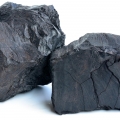
Coal
Dusty, black, and mineral. It adds a soot-like darkness.

Asphalt
The smell of hot tar and city streets in summer. It adds an urban, industrial grit that I find oddly comforting.
View All Molecules, Minerals & Curiosities NotesGourmand
An unapologetically hedonistic category dedicated to the pleasures of the patisserie, featuring dripping caramel, fluffy cotton candy, and rich chocolate. While purists may scoff, there is a profound, primal comfort in these sugary notes that bypasses the brain and goes straight to the stomach—and the heart.

Candied Ginger
Spicy heat tempered by crystal sugar. It is zesty and warming.

Canelé
A Bordeaux pastry with rum and vanilla. It smells caramelized, custardy, and boozy.

Pretzel
Baked dough and coarse salt. Savory and distinct.

Meringues
Baked sugar and egg whites. Dry, powdery sweetness.
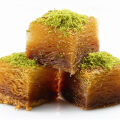
Knafeh
Sweet cheese pastry soaked in syrup. Salty-sweet, creamy, and rose-scented.

Marmalade
Cooked oranges and peel. Bitter-sweet and sticky.

Loukhoum
Turkish Delight. Rosewater, sugar, and almonds. Powdery and sweet.

Sprinkles
Sugar strands. Waxy sweetness.

Cosmofruit™ (IFF)
A synthetic fruity note smelling of quince and pear. It is diffusive and sweet.

Bubble Gum
The classic pink smell of tutti-frutti and sugar. It’s playful, young, and nostalgic.
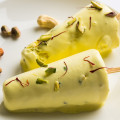
Kulfi
Indian ice cream. Dense, milky, and flavored with cardamom, saffron, and pistachio.

Rose Milk
Creamy floral scent. Soothing and pink.

Cone Waffle
The smell of an ice cream cone. Baked, vanilla-scented batter.

Panettone
Italian Christmas bread. Citrus peel, raisins, and butter.
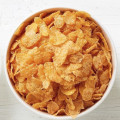
Cereals
The smell of breakfast grains. Toasty, comforting, and wheaty.

Rose Jam
Petals cooked in sugar. Intense floral sweetness.

Cookie
Baked goods. Smells of butter, sugar, and flour.
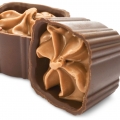
Praline
Caramelized sugar and nuts. A benchmark of the modern gourmand style.

Cupcake
Vanilla cake and frosting. Sweet, young, and fun.

Candied Orange
Sweet, sticky orange peel. It smells festive, often associated with Christmas cakes.
View All Gourmand NotesWoods & Earth
The stoic backbone of fragrance, grounding the flightier notes with the scent of ancient trunks, dry bark, and the damp, shadowed floor of the forest. Ranging from the creamy spirituality of sandalwood to the dry, pencil-shaving snap of cedar, these notes provide structure, longevity, and a timeless elegance.
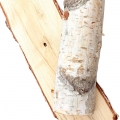
Birch
Smoky and tar-like, evoking the smell of a campfire or well-worn Russian leather. It’s rugged and uncompromising.
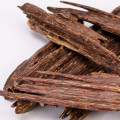
Thailand Oud
Often sweeter and softer oud.

Pepperwood or Hercules Club
A spicy, aromatic wood scent.

Pink Ipê Tree
Handroanthus. A floral wood scent.

Malaysian Oud
Often sweeter and spicier than Indian oud. Can have cola nuances.
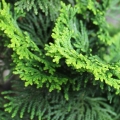
Hinoki Wood
Japanese Cypress. It smells lemony, woody, and sacred (used in temples and baths).

Palo Verde Tree
A desert tree. Smells green and woody.
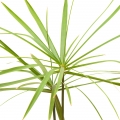
Papyrus
Dry, smoky, and woody. It smells of ancient scrolls and river reeds.

Maple
Woody and sweet. It hints at the syrup but retains a bark-like dryness.
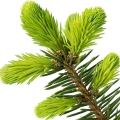
Fir
Balsamic and green. It smells like a winter forest or a Christmas wreath.

Ravensara
Aromatic oil from Madagascar. Smells camphorous, spicy, and clove-like.
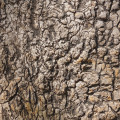
Belambra Tree
A synthetic wood note by Givaudan that smells dry, amber-like, and sophisticated. It adds modern radiance.

Araucaria
Also known as the Monkey Puzzle tree, its wood smells resinous and piney. It is a rare note that adds an ancient, coniferous feel.

Incienso
A desert shrub (Encelia) that smells resinous and pine-like. It is pungent and aromatic.
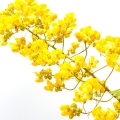
Siam
Thai wood. Resinous and warm.

Wood barrel
Oak cask. Alcohol soaked wood.
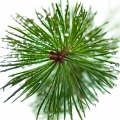
Pine Tree
Fresh, resinous, and clean. The smell of a northern forest.
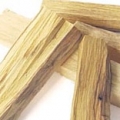
Palo Santo
Holy Wood. It smells creamy, lemony, and smoky, used for cleansing energy.

Scots pine variant
Pine needles. Fresh and balsamic.

Pear Tree
Woody and fruit-bearing.
View All Woods & Earth NotesWhite Flowers
A distinct league of floral powerhouses including Tuberose, Jasmine, and Gardenia, known for their creamy, narcotic heaviness that often intensifies as the sun goes down. Unlike their shy daylight cousins, these blooms possess a carnal, indolic undertone—a whisper of animalic warmth amidst the sweetness—that makes them unapologetically sensual and dominating.
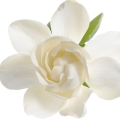
Gardenia
Heady, creamy white floral with a distinct mushroomy or blue cheese undertone. It is lush and narcotic.
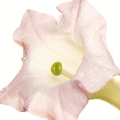
White Tobacco
Nicotiana flower. Sweet and jasmine-like.
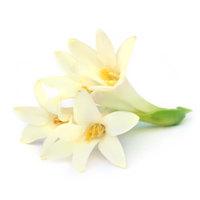
Tuberose
Carnal, creamy, and loud. It smells of flesh, bubblegum, and green stems.
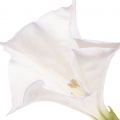
Datura
A poisonous flower with a narcotic, almond-like floral scent. It smells dangerous, heavy, and hypnotic.
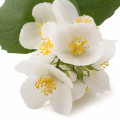
Syringa
Lilac. Sweet and fresh.
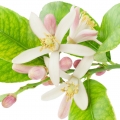
Lemon Blossom
Waxy white floral with a citrus edge. Fresh and pretty.
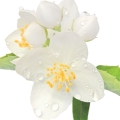
Mock Orange
Philadelphus. Smells intensely like orange blossom but sweeter.
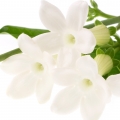
Stephanotis
Madagascar Jasmine. Waxy, sweet, and bridal.
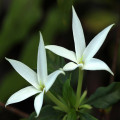
Karo-Karounde
An African flower smelling of jasmine, chocolate, and spices. It is rich and dark.

Melati
Indonesian Jasmine. Sweet and tea-like.

Tangerine Blossom
Sweet white floral.
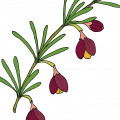
Boronia
A rare Australian flower with a complex scent of fruit, wood, and violet. It is expensive and highly prized.
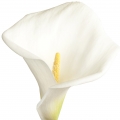
Arum Lily
A fleshy white floral scent that can be slightly animalic. It smells grand and imposing, like a wedding bouquet.
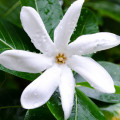
Tiare Flower
Tahitian Gardenia. Creamy, tropical, and sweet.
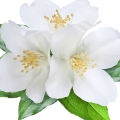
White Flowers
A genre (Jasmine, Tuberose, Gardenia). Indolic, creamy, and heady.
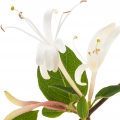
Honeysuckle
Nectar-heavy, sunny, and sweet. It captures the smell of warm summer evenings perfectly.
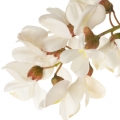
Black Locust
A tree with white flowers that smell intensely sweet and honeyed, similar to orange blossom but heavier.

Moon Flower
Ipomoea alba. A night-blooming vine smelling sweet and musky.
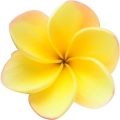
Frangipani
Plumeria. Thick, creamy, and tropical, smelling of almonds and fruit. It is the scent of a holiday.
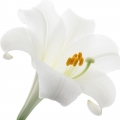
Lily
Spicy, waxy, and heady. It smells regal and sometimes slightly salty/meaty.
View All White Flowers NotesBotanicals & Aromatics
This is the scent of the apothecary’s garden and the gentleman’s barber, full of crushed leaves, bracing mint, and the calming herbaceousness of lavender. These notes cut through heat and heaviness with a savory, green clarity that feels restorative, intelligent, and famously spirited.

Green Sap
The liquid lifeblood of a plant. Sticky, green, and slightly bitter.
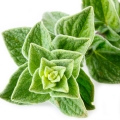
Marjoram
Sweet oregano. Herbal, piney, and citrusy.

Purslane
Green succulent. Crisp and slightly sour.

Longjing Tea
Dragon Well tea. Smells chestnut-like, roasted, and green.
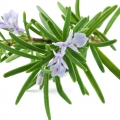
Rosemary
Needle-like leaves. Camphorous, woody, and savory.
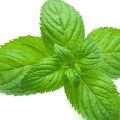
Spearmint
Sweeter mint. Like chewing gum.

Khella
Ammi Visnaga. It smells earthy and herbal.

Cherry Leaf
Green and slightly bitter. It smells like the tree rather than the fruit.

Gyokuro Tea
High-grade Japanese green tea. Umami-rich, grassy, and marine (seaweed-like).

Yarrow
Herbal, sweet, and medicinal.

Aloe Vera
Green, watery, and cool, with a slight vegetative bitterness. It creates a soothing, spa-like atmosphere in a scent.

Saw Palmetto
Palm variety. Green and dry.

Sundew
Carnivorous plant. Sticky and green.

Tansy
Herbal and bitter. Camphorous.

Siriuba Tree
Amazonian tree. Smells soapy and balsamic.
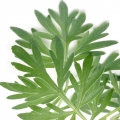
Wormwood
Absinthe herb. Extremely bitter and herbal.

Centella Asiatica
Gotu Kola. It smells herbal, grassy, and swampy. Popular in skincare scents.
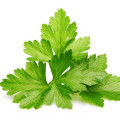
Cilantro
The leaves of coriander. It smells soapy, metallic, and green.

Water Lily Leaf
Vegetal aquatic note.
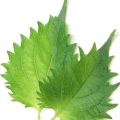
Shiso
Japanese herb (Perilla). Smells of mint, basil, and cumin.
View All Botanicals & Aromatics NotesSpices
These ingredients bring the heat and the vibration, adding a three-dimensional hum to a composition that tickles the nose and wakes up the palate. From the cooling, camphorous touch of cardamom to the fiery crackle of black pepper, spices prevent a fragrance from ever feeling flat or boring.

Kopi Luwak Coffee
Civet coffee. It smells roasted but with a distinctive animalic, musky undertone.
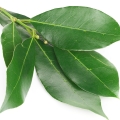
Bay Leaf
Dry, herbal, and aromatic, often used in cooking. In perfume, it adds a savory, leafy crispness.
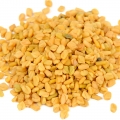
Fenugreek
Maple syrup and curry powder. It is spicy, sweet, and savory all at once.

Dill
Aromatic, green, and savory—yes, it smells like pickles. It adds a surprising culinary freshness.
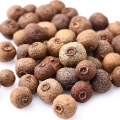
Allspice
A warm spice rack in a single note, smelling of clove, cinnamon, and nutmeg combined. It feels festive and warming, perfect for winter.

Guinea Pepper
Grains of Paradise. Peppery, citrusy, and woody.
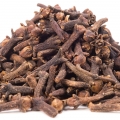
Cloves
Intense, hot, and numbing spice. It contains high levels of Eugenol and smells medicinal and warm.

Coffee CO2
A photorealistic roasted coffee bean extract. It smells exactly like an espresso bar.
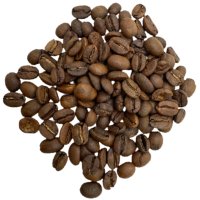
Coffee
Dark, roasted, and energizing, bringing a bitter gourmand edge. It grounds sweetness and adds a restless, urban energy to a scent.

Chutney
Spiced fruit relish. It smells savory, sweet, and vinegary.
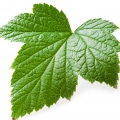
Cassia
Chinese cinnamon. It smells hotter, sharper, and woodier than true cinnamon.

Curry
A blend of spices (cumin, fenugreek). It smells savory and warm.

Carum
Another name for Caraway. Spicy, anise-like, and sharp.

Curcuma (Turmeric)
Earthy, dusty, and slightly ginger-like. It adds a dry yellow spice note.
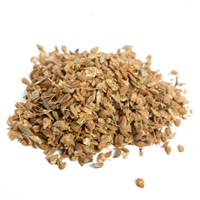
Anise
Sweet, spicy, and licorice-like. It adds a polarizing aromatic sweetness that cuts through warmer notes with a cool edge.
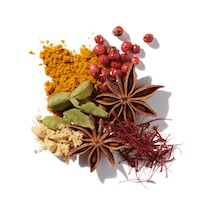
Spicy Notes
General warmth. Cinnamon, clove, pepper mix.
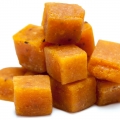
Asafoetida
Pungent and sulfurous when raw, but savory like onions when cooked. In perfume, it adds a weird, compelling earthy spice.

Carolina Reaper
The hottest chili pepper. In perfume, it adds an aggressive, tingling heat.

Ginger
Fresh, spicy, and lemony. It adds a fizzy, energetic heat to the top notes.
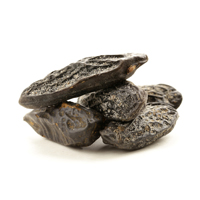
Tonka Bean
The scent of coumarin—vanilla, almond, hay, and tobacco rolled into one.
View All Spices NotesResins And Balsams
The ancient tears of trees, these materials have been burned in rituals for millennia and bring a sacred, meditative smoke to perfumery. They are thick, sticky, and profoundly complex, offering a sweet, leathery darkness that feels like a protective cloak against the cold.
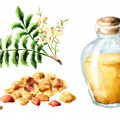
Balsamic Notes
A group of resinous materials like benzoin and myrrh that smell warm, sweet, and thick. They wrap a fragrance in a cozy amber blanket.
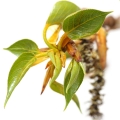
Poplar (Populus) Buds
Sticky buds smelling of balsam, honey, and propolis.
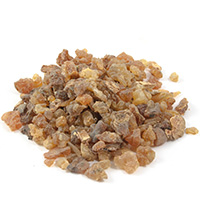
Myrrh
A resin that smells of mushrooms, licorice, and earth. It is darker and stranger than frankincense.
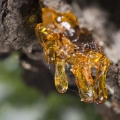
Amberwood
A sturdy blend of amber warmth and dry cedar-like woodiness. It acts as a strong pillar holding up the rest of the scent structure.
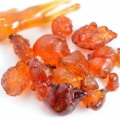
Resins
Hardened tree sap. Amber, sticky, and warm.
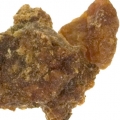
Opoponax
Sweet Myrrh. Smells like toffee, balsam, and mushrooms.

Mopane
African Balsam. Smells turpentine-like and woody.
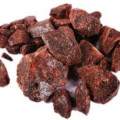
Dragon Blood Resin
A bright red resin that smells sweet, spicy, and slightly woody. It is lighter and cleaner than frankincense.
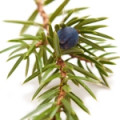
Cade oil
Oil from prickly juniper, smelling intensely smoky and tarry. It creates the campfire effect.

Coal Tar
Pungent, medicinal, and asphalt-like. It smells like fresh pavement.

Rubber
Burnt tires or latex. Industrial and dark.
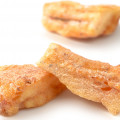
Styrax
Sweet, spicy, and leather-like resin. Smells of plastic and balsam.

Bois d'Encens
Incense wood. It smells peppery, resinous, and spiritual, inspired by church incense.

Olibanum Sacra Resin Green
High-grade green frankincense. Smells brighter and more citrusy.
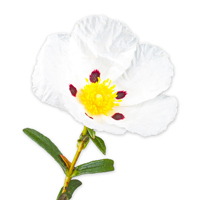
Labdanum
The cornerstone of amber accords. It smells leathery, sweet, dirty, and warm all at once.
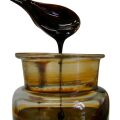
Peru Balsam
Rich, sweet, and vanilla-like resin. It acts as a fixative and smooths everything out.

Japanese Incense
Clean, low-smoke incense usually based on sandalwood and aloeswood. It is meditative and dry.

Nag Champa
Incense sticks. Sandalwood and Frangipani. Sweet and hippie.

Copal
A resin used in incense in Mexico. It smells bright, lemony, and piney.

Choya Nakh
Roasted seashells. It smells smoky, mineral, and oceanic.
View All Resins And Balsams NotesCitrus
The sunshine of the fragrance world, these volatile oils provide the sparkling opening act that greets you the moment the mist hits the air. While they are fleeting by nature, their zesty, sour-sweet optimism is essential for lifting the heavier materials and preventing a perfume from feeling like a lead weight.
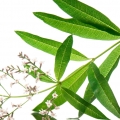
Lemon Verbena
Verveine. Herbal, fresh, and distinctly lemony without the acid.
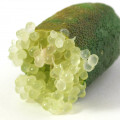
Finger Lime
Caviar lime. It smells incredibly sharp, zesty, and exploding with sourness.

Rangpur
A lemon-mandarin hybrid. Very acidic and floral.

Sudachi citrus
Japanese citrus. Sour and spicy like lime.

Hassaku
A Japanese citrus hybrid. Smells like sour orange and grapefruit.

Red Mandarin
The sweetest mandarin oil. Floral and candy-like.
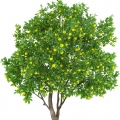
Lemon Tree
Woody and leafy notes of the tree, plus the fruit. A full orchard smell.
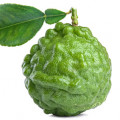
Kaffir Lime
Makrut lime. The leaves smell intensely sharp, green, and uniquely Thai cuisine-like.

Limetta
Sweet Lime. Less acidic than regular lime, more floral.
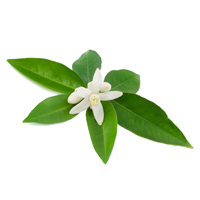
Neroli
Steam-distilled orange blossom. It smells green, soapy, bitter, and exquisitely fresh.
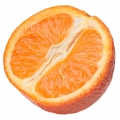
Tangerine
Easy, sweet citrus. Less complex than mandarin.

Citrus Water
Diluted citrus scent. It smells faint, clean, and splashy.

Perfume lemon
A specific aromatic lemon variety. Intense zest.
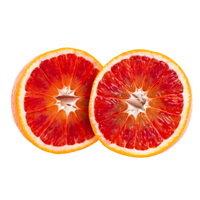
Blood Orange
Juicier, sweeter, and redder than standard orange, with raspberry nuances. It feels lush and Mediterranean.
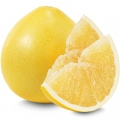
Grapefruit
Bitter, zesty, and slightly sulfurous. It is uplifting and distinctly modern.
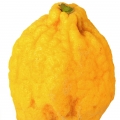
Citron
A large, ancient citrus fruit. It smells dry, zesty, and less sweet than lemon.

Buddha's hand
A strange citrus fruit smelling of lemon zest and flowers without the juice. It is dry and aromatic.
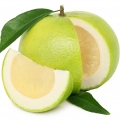
Pomelo
A giant grapefruit. Mild, thick-rinded, and sweet-tart.
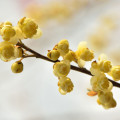
Litsea Cubeba
May Chang. An shrub that smells intensely like lemon sherbet sweets.

Grapefruit Peel
The oil from the rind. It contains the sulfurous, sparkly character of the fruit.
View All Citrus NotesAssorted
A curated cabinet of curiosities for the notes that defy our desire for neat little boxes, yet remain absolutely essential to the perfumer's palette. Here you will find the outliers and the individualists, ingredients that possess a character so distinct they refuse to sit quietly with the flowers or the fruits.

Nemophila
Baby Blue Eyes. Very mild floral.

Mangrove Wood
Salty and woody. Evokes swamps and coasts.

Jonquille
A type of narcissus. It smells heady, honeyed, and deep yellow, with a tobacco nuance.

Canna flower
A tropical lily-like flower. It smells exotic and mild.

Sweet Potato
Earthy and sweet tuber.

Hookah
Sweet, fruity tobacco smoke. Sticky and aromatic.

Forest Foliage
Green, decay, and moss. The smell of the woods floor.

Sorghum
Cereal grain. Smoky (in Baijiu) or sweet (syrup).

Fog
Damp air, cold water, and earth. A mood rather than a distinct smell.

Umami
Savory taste. Broth-like and salty.
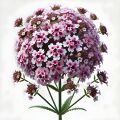
Vervain
Verbena. Lemony and herbal.

Sweet Alyssum
Honey-scented flower.
View All Assorted Notes